What Causes Stubborn Belly Fat? Everyday Causes and Lifestyle Fixes
| Main causes | Refined-carb and sugary diet, too little activity, chronic stress, poor sleep and age-related hormone shifts. |
| Can you spot-reduce? | No — crunches build muscle but do not burn belly fat selectively. Fat is lost body-wide. |
| What works | A modest calorie deficit, more protein and fibre, strength plus daily movement, better sleep and stress control. |
| Timeframe | Consistency over months, not intensity over days — the belly is often the last area to slim. |
Few things are more frustrating than doing “everything right” and still carrying weight around your middle. If you have wondered what causes stubborn belly fat and why it clings on when other areas slim down, the answer is not a single villain but a combination of everyday factors working together. Understanding each one is the first step to a realistic plan — and to letting go of the myth that a special exercise or food will melt it away. This guide explains the real causes and the lifestyle habits that steadily make a difference.
First, why belly fat behaves differently
The fat around your abdomen comes in two forms. The soft layer you can pinch just under the skin is subcutaneous fat. Deeper down, wrapped around your organs, is visceral fat — the type most closely linked to lifestyle factors and long-term health. Because visceral fat responds strongly to diet, stress and activity, it tends to be one of the first types to shrink when you improve your habits, even though the belly can feel like the last place to visibly change. An international position statement on visceral and ectopic fat sets out why fat stored around the organs carries a different cardiometabolic risk profile from fat stored under the skin (Lancet Diabetes Endocrinol, 2019).
The key thing to accept early: you cannot choose where your body burns fat from. Fat loss happens across the whole body in response to an overall energy deficit, and genetics decides the order. For many people the midsection is simply near the end of that queue, which is exactly why it feels “stubborn.”
What causes stubborn belly fat? The five everyday drivers
1. A diet high in refined carbs and sugar
Sugary drinks, refined grains, sweets and heavily processed foods deliver a lot of quickly absorbed energy and little fullness. Over time, a surplus of these foods is one of the strongest dietary contributors to abdominal fat. Cutting back on liquid sugar in particular — sodas, sweetened coffees and juices — is one of the highest-impact single changes you can make. The full list is in our guide to what foods cause weight gain.
Alcohol deserves a special mention here. It is calorie-dense, lowers your inhibitions around food, and is often accompanied by late-night snacking. Frequent drinking is a common and under-appreciated contributor to a stubborn midsection, so cutting back is another change that tends to pay off quickly. Watch trans fats and heavily refined snack foods too; they add calories without leaving you satisfied and are easy to overeat.
2. Too little movement and muscle
A largely sedentary day burns few calories and lets muscle slowly decline, which lowers the rate at which you burn energy at rest. Both regular movement and resistance training matter here: strength work preserves and builds the muscle that keeps your metabolism ticking, while daily activity adds up across the week.
3. Chronic stress and cortisol
Long-running stress raises cortisol, a hormone associated with greater appetite and a tendency to store fat around the midsection. If your life is high-pressure and low on recovery, stress management is not a luxury — it is part of the fat-loss plan. Our detailed guide on how stress affects weight gain covers practical steps. A systematic review of HPA-axis dysregulation and cortisol activity in obesity found the link genuine but far less tidy than the popular “cortisol belly” story implies (Psychoneuroendocrinology, 2015).
Support an active routine, one scoop a day
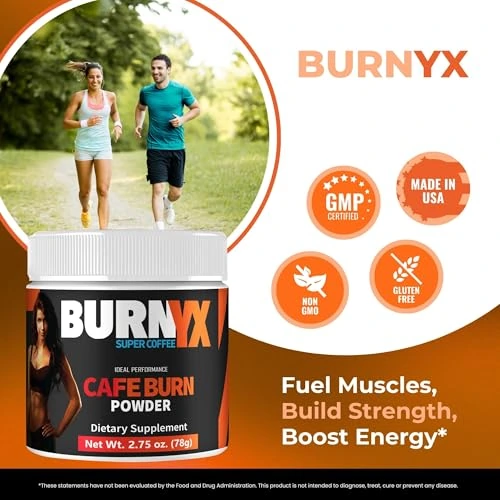
Burnyx is a once-daily Cafe Burn super-coffee powder with a 2:1:1 BCAA blend, L-glutamine and Vitamin B6 — built to support everyday energy and lean-muscle recovery as part of an active, calorie-aware routine. Protected by a 60-day guarantee.
See Burnyx Packages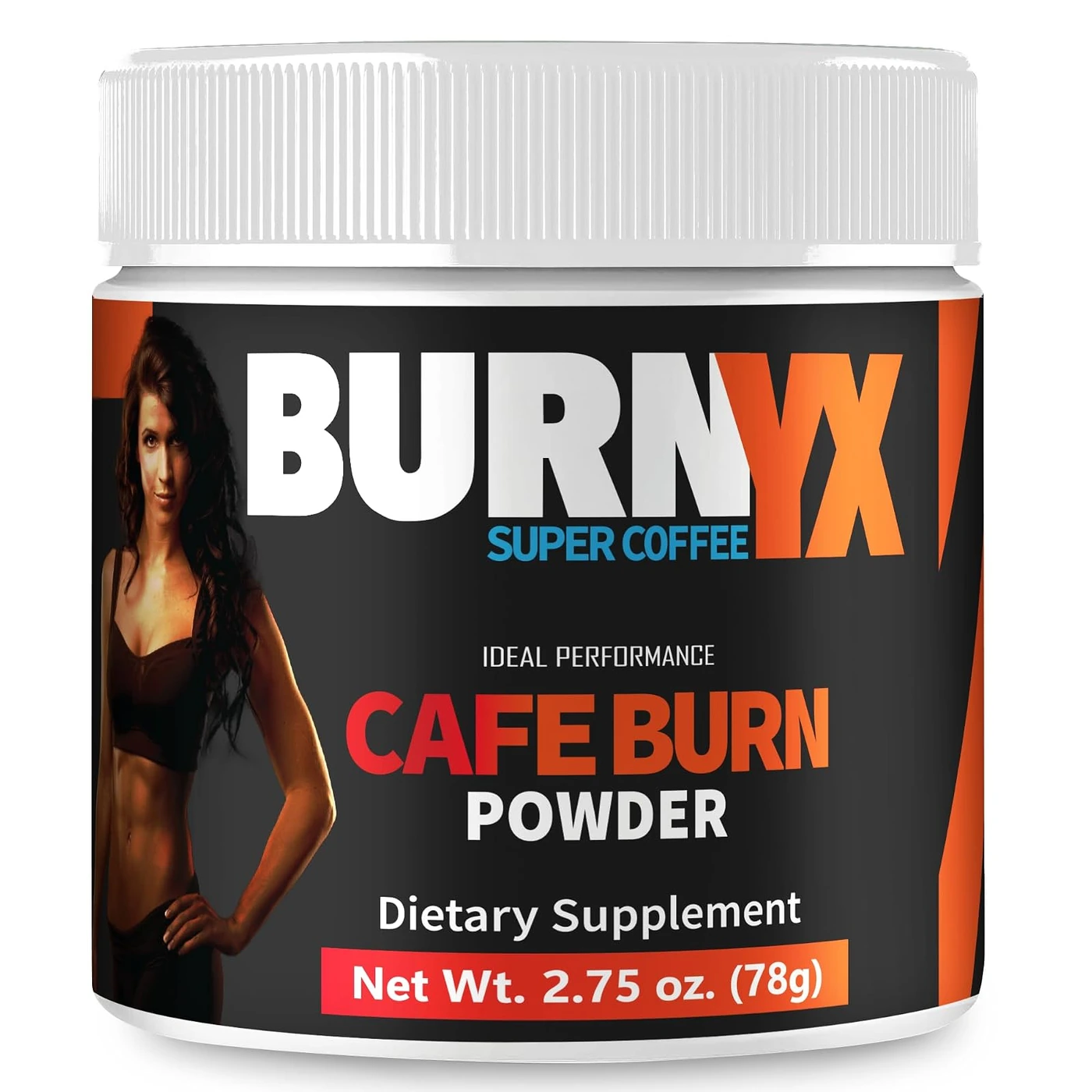
4. Poor and irregular sleep
Short sleep disrupts the hormones that regulate hunger and fullness and is associated with greater abdominal fat over time. It also drains the energy and motivation you need for the movement and food choices that keep the belly in check. Protecting your sleep is one of the least glamorous but most reliable habits for a leaner midsection. An updated systematic review and meta-analysis reported an association between short sleep duration and obesity in adults (Obes Res Clin Pract, 2020).
5. Age and hormonal change
As we get older, muscle mass gradually declines and hormones shift — changes that tend to redistribute fat toward the abdomen for both men and women. This is normal and not a lost cause; it simply means the habits that protect muscle and manage calories become more important with each decade, not less. That overlaps with the drivers covered in our guide to what causes a slow metabolism.
How to lose stubborn belly fat: the habits that work
Because there is no spot-reduction shortcut, the effective approach is a steady, whole-body one. These habits target every cause above at once. Expect the scale to wobble while you do it, for the reasons set out in our guide to why your weight fluctuates day to day.
Create a modest calorie deficit. A gentle, sustainable deficit — not a crash diet — is what actually reduces fat, including around the belly. Focus on whole foods, watch liquid calories, and keep portions reasonable.
Prioritise protein and fibre. Both improve fullness and help you eat less without feeling deprived. Anchor meals around protein and load up on vegetables, fruit and wholegrains. If you often feel hungry, our guide on why you might always feel hungry can help.
Add strength training. Two or three resistance sessions a week protect the muscle that keeps your metabolism higher, which supports fat loss over time.
Move more, most days. Walking, cycling and general daily activity all burn energy and help manage stress. Consistency matters more than intensity.
Sleep and de-stress. Treat seven to nine hours of sleep and daily stress relief as non-negotiable parts of the plan, not afterthoughts.

The bottom line
Stubborn belly fat is not the result of one bad habit but of several everyday factors — diet, inactivity, stress, sleep and age — overlapping over time. There is no exercise that burns fat from the abdomen on demand and no food that melts it away. What reliably works is unglamorous and durable: a modest calorie deficit, more protein and fibre, regular strength and movement, and genuine attention to sleep and stress. Give those habits months rather than days, and the midsection follows. To build the routine, start with a solid morning routine for weight loss and see how a simple daily habit fits on the Burnyx homepage.
Frequently asked questions
What causes stubborn belly fat?
Belly fat builds up from a mix of everyday factors: a diet high in refined carbohydrates and sugary drinks, too little physical activity, chronic stress, poor sleep, and hormonal changes that come with age. No single cause acts alone, which is why a whole-lifestyle approach works better than any single trick.
Can you target belly fat specifically?
No. Spot reduction is a myth. Endless crunches strengthen the muscles beneath the fat but do not selectively burn fat from the belly. Fat is lost across the whole body through an overall calorie deficit, and the abdomen simply tends to be one of the more stubborn areas.
Why is belly fat so hard to lose?
The abdomen is often one of the last places the body draws fat from, and its accumulation is strongly influenced by stress hormones and lifestyle factors that are easy to overlook. Consistency over months, rather than intensity over days, is what steadily reduces it.
Does stress cause belly fat?
Ongoing stress raises cortisol, which is associated with increased appetite and a tendency to store fat around the midsection. Managing stress through sleep, movement and relaxation is a genuine part of reducing belly fat, not a side note.
What foods help reduce belly fat?
There is no single fat-burning food, but a diet built on vegetables, fruit, wholegrains, lean protein and healthy fats, while cutting back on sugary drinks and refined carbs, supports overall fat loss including around the midsection. Fibre and protein help most with fullness and appetite control.
Stack the habits in your favour
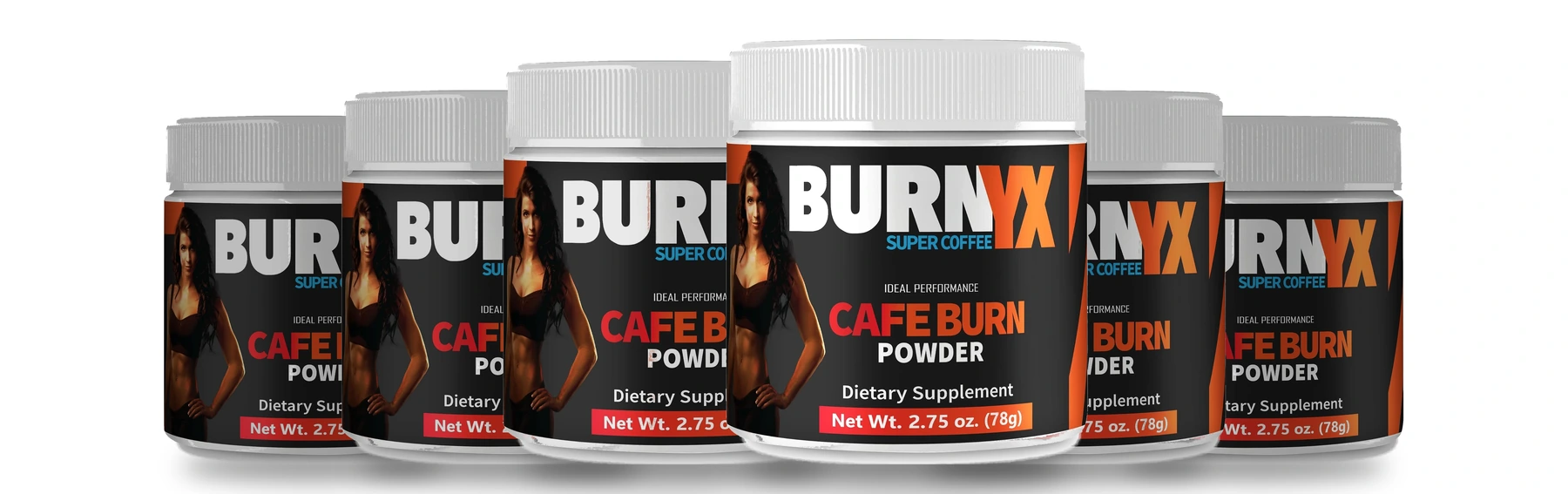
Make an active routine easier to keep with a simple once-daily habit. Burnyx multi-jar packages include a 60-day money-back guarantee and free shipping on larger bundles.
References
- “Visceral and ectopic fat, atherosclerosis, and cardiometabolic disease: a position statement.” (Lancet Diabetes Endocrinol, 2019)
- “Hypothalamic-pituitary-adrenal axis dysregulation and cortisol activity in obesity: A systematic review.” (Psychoneuroendocrinology, 2015)
- “Sleep duration and obesity in adulthood: An updated systematic review and meta-analysis.” (Obes Res Clin Pract, 2020)
- NIH Office of Dietary Supplements — Dietary Supplements for Weight Loss
- Harvard T.H. Chan School of Public Health, The Nutrition Source. “Abdominal obesity” and “Healthy Weight.” hsph.harvard.edu/nutritionsource
- Mayo Clinic. “Belly fat in women (and men): Taking — and keeping — it off.” mayoclinic.org
- Centers for Disease Control and Prevention. “Physical Activity for a Healthy Weight” and “Sleep and Health.” cdc.gov
- National Health Service (UK). “Why is my waist size important?” nhs.uk
- U.S. Food & Drug Administration. “Dietary Supplements.” fda.gov
† These statements have not been evaluated by the Food and Drug Administration. This product is not intended to diagnose, treat, cure or prevent any disease. This article is for general educational purposes only and is not medical advice; consult a qualified professional about your individual needs.