Morning Routine for Weight Loss: 8 Daily Habits to Start the Day Right
| Why mornings matter | The first hour sets your appetite, energy and decisions for the whole day. |
| The core habits | Hydrate, get light and movement, eat a protein breakfast, and plan your meals. |
| What it is not | No morning habit burns fat by itself — the routine makes a calorie deficit easier to keep. |
| The real secret | Consistency. A simple routine you repeat beats a perfect one you abandon. |
How you spend the first hour after waking has an outsized effect on the rest of your day. A good morning routine for weight loss will not, on its own, melt fat — no habit does that. What it does is set the conditions: it steadies your appetite, lifts your energy, and lines up better food and movement decisions before the day’s chaos has a chance to derail them. Get the morning right and the rest tends to follow more easily. Here are eight simple, evidence-aware habits that build a morning routine worth keeping.
Why a morning routine helps with weight loss
Weight management is really the sum of dozens of small daily decisions, and decisions made when you are rushed, tired or hungry are rarely your best. A morning routine front-loads the good choices while your willpower is fresh and the day is still calm. Hydration and a solid breakfast reduce the mid-morning slump that sends people to the vending machine; a few minutes of light and movement lift mood and energy; and a quick plan removes the guesswork that leads to grabbing whatever is fastest. Each habit is small, but stacked together they change the shape of the whole day.
The 8-step morning routine for weight loss
1. Hydrate before anything else
You wake up mildly dehydrated after a night’s sleep, and thirst is easily mistaken for hunger. A large glass of water first thing rehydrates you and helps you read your appetite honestly. It is the simplest habit on this list and one of the most reliably useful. In a randomised trial, adults who drank 500 ml of water before meals alongside a reduced-calorie diet lost more weight over twelve weeks than those on the diet alone (Obesity, 2010).
2. Get natural light and a little movement
A few minutes of daylight early on helps regulate your body clock, which in turn supports better sleep and steadier appetite. Pair it with gentle movement — a short walk, some stretches, a few bodyweight exercises — to wake up your metabolism and lift your mood for the hours ahead.
3. Eat a protein-rich breakfast
If you eat in the morning, make protein the centrepiece: eggs, Greek yoghurt, cottage cheese, or a protein-forward smoothie. Protein is the most satiating macronutrient, and a protein-rich breakfast helps many people feel fuller and snack less through the day. If you often feel hungry regardless, our guide on why you might always feel hungry is worth a read. In a controlled trial in habitual breakfast-skippers, a high-protein breakfast reduced daily intake and hunger and prevented body-fat gain over the study period (Obesity, 2015).
Add one easy habit to your mornings
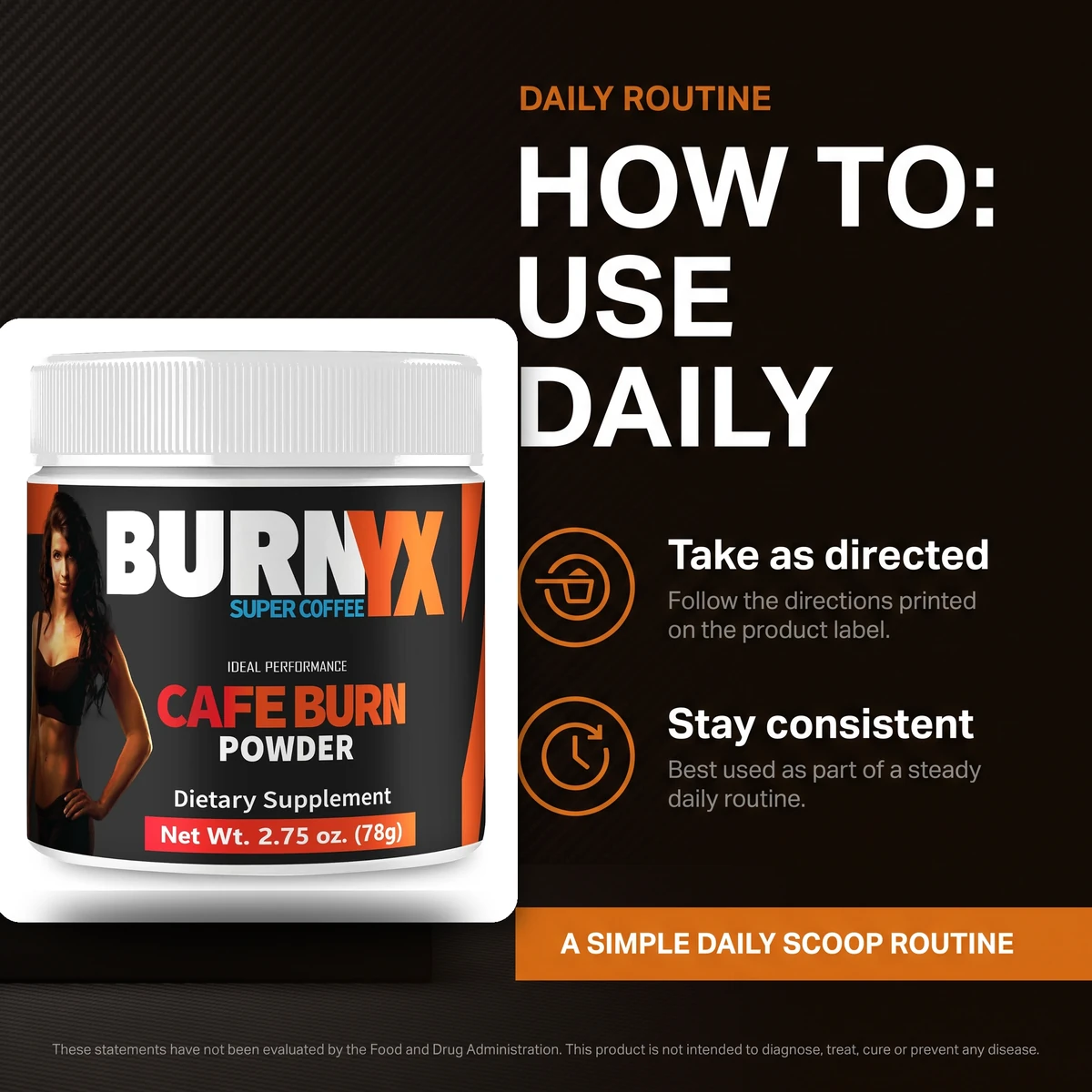
Burnyx is a once-daily Cafe Burn super-coffee powder with a 2:1:1 BCAA blend, L-glutamine and Vitamin B6 — an easy, low-calorie way to start the day and support energy and lean-muscle recovery within an active routine. Protected by a 60-day guarantee.
See Burnyx Packages
4. Choose a smarter morning drink
Sweetened coffees and juices can quietly pour hundreds of calories into your day before it has begun. Swapping to water, unsweetened tea or a low-calorie coffee keeps the ritual you enjoy while removing the hidden sugar. Small swaps like this, repeated daily, add up over a year far more than any single dramatic diet.
5. Plan your meals for the day
Two minutes of planning — deciding what lunch and dinner will be, or packing them — removes the decision fatigue that leads to impulsive choices later. When the healthy option is already decided and prepared, it becomes the easy default rather than an act of willpower. Planning is one form of self-monitoring, and a systematic review of self-monitoring in weight loss found consistent associations between tracking your own behaviour and better outcomes (J Am Diet Assoc, 2011). Planning ahead is also the cheapest defence against the pattern described in our guide to how to stop late-night snacking.
6. Do your hardest movement early if you can
Exercising in the morning is helpful mostly because it gets done before the day can crowd it out, which makes it easier to stay consistent. The best time to train is whenever you will actually keep it up, but for many people that is first thing. Even a brisk ten-minute walk counts as a real start.
7. Set a calm, unhurried tone
A frantic morning raises stress, and stress can feed cravings later in the day. Waking a little earlier to avoid the rush, and taking a moment to breathe, keeps cortisol in check. Our guide on how stress affects weight gain explains why this matters more than it might seem.
8. Keep it simple and repeatable
The most effective routine is not the most elaborate one — it is the one you will still be doing next month. Pick two or three of these habits to start, make them automatic, then add more. A simple routine you repeat every day will always beat a perfect one you abandon by Friday.
A sample 20-minute morning routine
To make this concrete, here is how the habits fit into a short, realistic window that most people can manage before the day takes over:
Minutes 0–2: Drink a large glass of water the moment you get up, before coffee or your phone. Minutes 2–7: Step outside or to a bright window for daylight, and do a few gentle stretches or a short walk to wake up your body. Minutes 7–15: Make and eat a protein-rich breakfast — eggs, Greek yoghurt or a quick smoothie — alongside a smarter, low-sugar drink. Minutes 15–20: Spend two minutes deciding or packing lunch and dinner, and take a couple of slow breaths to set a calm tone. That is the whole routine: nothing dramatic, just a stack of small, sensible choices made while your resolve is fresh. Repeat it daily and it quietly becomes who you are rather than something you have to force.

The bottom line
A morning routine for weight loss works not by burning fat directly but by stacking small, sensible habits — hydration, light, movement, a protein breakfast, smarter drinks and a quick plan — while your resolve is at its strongest. Do them consistently and they quietly make the whole day’s choices easier. Start with a couple, keep them simple, and let consistency do the work. To round out your day, pair this with our advice on how to stop late-night snacking, and see how a once-daily habit fits on the Burnyx homepage.
Frequently asked questions
What is the best morning routine for weight loss?
A practical morning routine starts with hydration, some natural light and movement, followed by a protein-rich breakfast and a quick plan for the day’s meals. None of these burn fat on their own, but together they steady your appetite, energy and food choices, which makes staying in a calorie deficit far easier.
Should I exercise in the morning to lose weight?
Morning exercise is helpful mainly because it is easy to keep consistent and gets movement done before the day gets in the way. The best time to exercise is whenever you will actually do it regularly. Even a brisk ten-minute walk after waking is a worthwhile start.
Is breakfast important for weight loss?
Breakfast is not magic, but a protein-rich morning meal helps many people feel fuller and snack less later in the day. If you prefer not to eat early, that can also work, as long as your total daily intake and protein are sensible. Consistency matters more than the rule itself.
Does drinking water in the morning help you lose weight?
Water has no calories and helps you tell true hunger from thirst, so starting the day hydrated can reduce unnecessary snacking. Replacing sugary morning drinks with water or a low-calorie coffee also cuts calories directly. It supports weight loss rather than causing it by itself.
How long before a morning routine shows results?
A routine works by making good choices automatic, so the benefit builds over weeks and months rather than days. Focus on repeating the habits consistently, and let the results follow from a steady, sustainable pattern.
Make it a habit that sticks
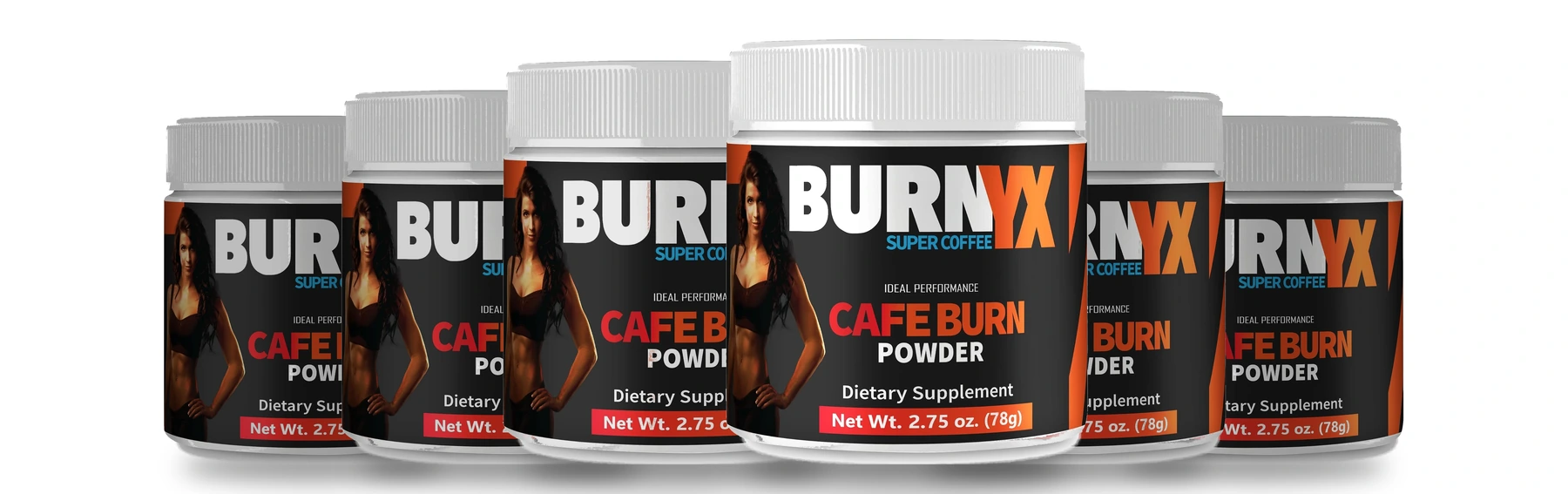
An easy morning ritual is one you keep. Burnyx multi-jar packages include a 60-day money-back guarantee and free shipping on larger bundles.
References
- “Water consumption increases weight loss during a hypocaloric diet intervention in middle-aged and older adults.” (Obesity, 2010)
- “A high-protein breakfast prevents body fat gain, through reductions in daily intake and hunger, in ‘Breakfast skipping’ adolescents.” (Obesity, 2015)
- “Self-monitoring in weight loss: a systematic review of the literature.” (J Am Diet Assoc, 2011)
- NIH Office of Dietary Supplements — Dietary Supplements for Weight Loss
- Harvard T.H. Chan School of Public Health, The Nutrition Source. “Breakfast” and “Protein.” hsph.harvard.edu/nutritionsource
- Centers for Disease Control and Prevention. “Physical Activity for a Healthy Weight” and “Rethink Your Drink.” cdc.gov
- National Institutes of Health, National Heart, Lung, and Blood Institute. “Aim for a Healthy Weight.” nhlbi.nih.gov
- National Health Service (UK). “12 tips to help you lose weight.” nhs.uk
- U.S. Food & Drug Administration. “Dietary Supplements.” fda.gov
† These statements have not been evaluated by the Food and Drug Administration. This product is not intended to diagnose, treat, cure or prevent any disease. This article is for general educational purposes only and is not medical advice; consult a qualified professional about your individual needs.