What Foods Cause Weight Gain? 10 Everyday Foods Worth Watching
| The usual suspects | Sugary drinks, refined grains, sweets, fried food, processed meats and ultra-processed snacks. |
| Why they add up | Energy-dense and moreish, yet low in the protein and fibre that keep you full — so it is easy to overeat. |
| The truth | No single food causes weight gain; frequency and portion do. Overall calorie balance is what counts. |
| The fix | Simple swaps — water for soda, wholegrains for refined, whole foods for ultra-processed — not total bans. |
It is a fair question and a useful one: what foods cause weight gain? The honest starting point is that no single food is fattening in isolation — weight gain comes from taking in more energy than you use over time. But some foods make that surplus far easier to reach, because they cram a lot of calories into small, delicious portions and do little to satisfy your hunger. Eat them often and in large amounts and the calories add up almost invisibly. This guide walks through ten everyday foods most consistently linked with creeping weight, why each one is so easy to over-eat, and the simple swaps that let you keep eating well without feeling deprived.
Why some foods drive weight gain more than others
Three qualities make a food easy to overeat. The first is energy density — a lot of calories in a small volume, so you finish a big serving of energy before you feel full. The second is a lack of protein and fibre, the two nutrients that do most to keep you satisfied; without them, a food leaves you hungry again soon. The third is palatability: foods engineered to be intensely sweet, salty and fatty override your natural “I've had enough” signals and invite another handful. Most of the items below tick two or three of those boxes, which is exactly why they are worth watching. The largest analysis of this question followed more than 120,000 adults for up to twenty years and found weight change over each four-year period tracked strongly with specific foods rather than with calories in the abstract (N Engl J Med, 2011).
1. Sugary drinks
Soft drinks, energy drinks, sweetened coffees and even fruit juices are perhaps the single biggest dietary driver of weight gain. Liquid calories slip past the body's fullness signals almost entirely, so they add hundreds of calories a day without curbing appetite. Swapping them for water, sparkling water, unsweetened tea or a low-calorie coffee is the highest-impact change most people can make — and one reason plain water helps, as we explain in does drinking water help you lose weight. A systematic review and meta-analysis of prospective cohorts and randomised trials found sugar-sweetened beverage consumption associated with weight gain in children and adults alike (Am J Clin Nutr, 2023).
2. Refined grains — white bread, pastries and white rice
Refined grains have had their fibre stripped away, so they digest fast, spike then drop blood sugar, and leave you hungry again quickly. White bread, croissants, pastries and sugary cereals are easy to eat in large amounts precisely because they are not very filling. Wholegrain versions — wholemeal bread, oats, brown rice — keep the fibre and keep you satisfied for longer.
3. Sweets, chocolate and desserts
Sugary treats combine energy density with irresistible palatability and almost no satiety, which is a recipe for eating well past fullness. There is nothing wrong with the occasional dessert, but daily sweets add up fast. When the pull is strong and frequent, it is worth reading our guide on how to stop sugar cravings for the habits that quiet it. If sweets are the hardest item on this list to moderate, start with our guide to how to stop sugar cravings.
A satisfying, low-calorie swap
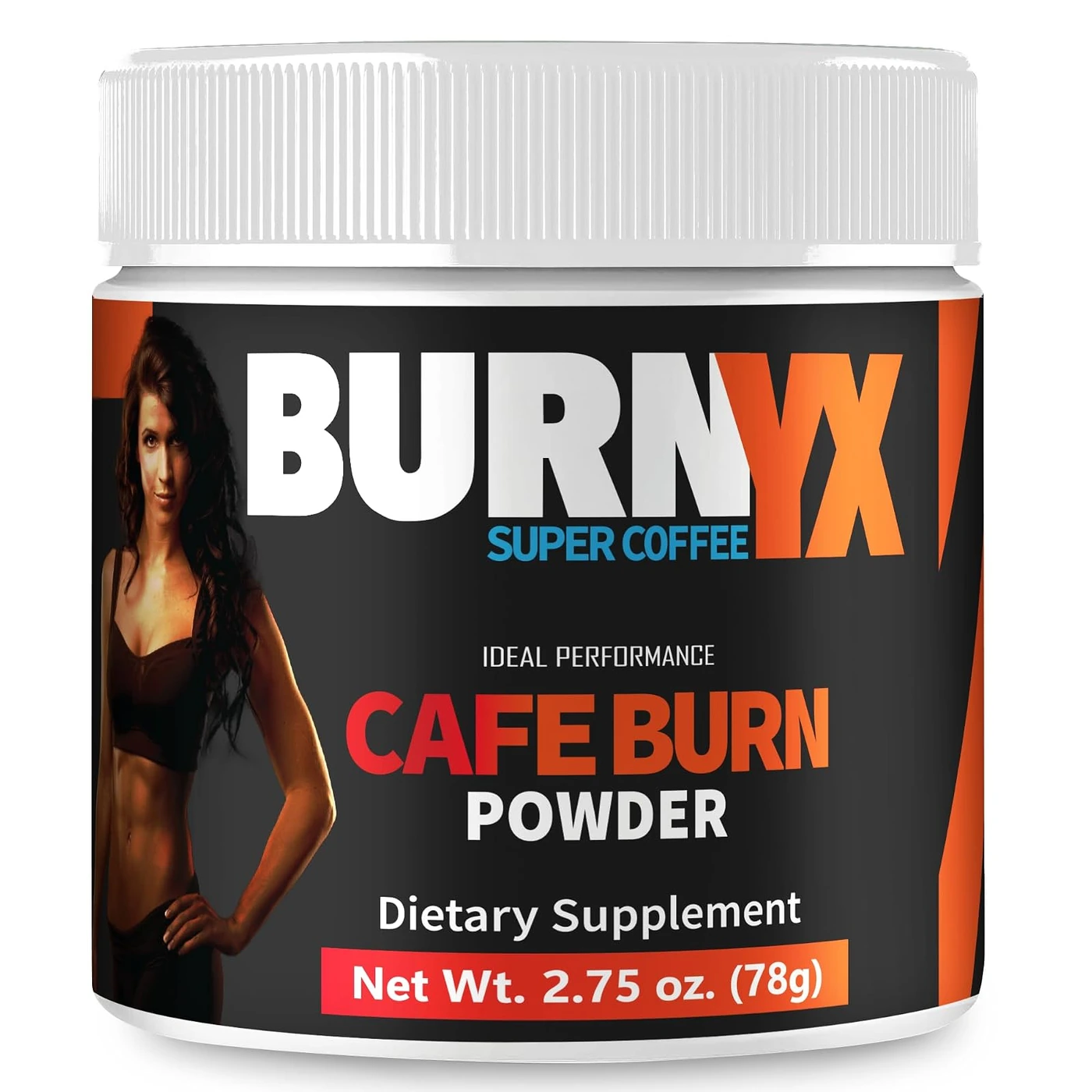
Burnyx is a once-daily Cafe Burn super-coffee powder with a 2:1:1 BCAA blend, L-glutamine and Vitamin B6 — a low-calorie way to make coffee more satisfying and stand in for a sugary drink or sweet treat. Protected by a 60-day money-back guarantee.
See Burnyx Packages
4. Fried foods
Frying loads food with extra fat and therefore calories — chips, fried chicken and battered foods carry far more energy than the same food baked or grilled. Fried foods are also highly palatable and easy to eat quickly. Baking, grilling, air-frying or roasting delivers the crunch with a fraction of the calories.
5. Fast food and takeaways
Typical fast-food meals combine several of the problems above at once: refined-carb buns, fried elements, sugary drinks and very large portions, often eaten fast. A single meal can supply most of a day's energy. Making it an occasional choice rather than a default, and picking simpler options when you do, keeps the damage in check.
6. Processed and cured meats
Bacon, sausages, salami and hot dogs are energy-dense and high in fat and salt, and they turn up in many convenience meals. Leaner protein choices — chicken, fish, eggs, beans and lentils — deliver the satisfying, muscle-supporting protein with less energy, and tend to keep you fuller per calorie.
7. Ultra-processed snacks
Crisps, packaged biscuits, sweetened cereals and similar snacks are engineered to be hard to stop eating, and research increasingly links diets high in ultra-processed foods with weight gain. They are calorie-dense, quick to eat and rarely filling. Whole-food snacks — fruit, plain yoghurt, nuts in a measured portion, vegetables and hummus — satisfy far better for the calories. In a tightly controlled inpatient randomised trial, people eating an ultra-processed diet consumed around 500 extra calories a day and gained weight, despite the two diets being matched for calories, sugar, fat, fibre and salt on offer (Cell Metab, 2019).
8. Alcohol
Alcohol carries almost as many calories per gram as fat, adds nothing your body needs, and tends to lower your restraint around food. A few drinks several nights a week can quietly account for a large share of a weekly surplus — and the snacking that often accompanies them adds more still.
9. Creamy sauces, dressings and spreads
The extras poured on top of otherwise sensible meals are easy to forget: mayonnaise, creamy dressings, cheese sauces, butter and oil-heavy dips. A generous drizzle can add a couple of hundred calories to a salad or plate of vegetables. Measuring them, or choosing lighter versions, keeps a healthy meal genuinely light.
10. Fruit juice and dried fruit
Whole fruit is filling and hard to overeat, but juicing strips the fibre and concentrates the sugar, and dried fruit packs a lot of energy into a small, moreish handful. Both are easy to consume in far larger amounts than you would ever eat as whole fruit. Choosing whole fruit is the simple, satisfying fix.
How to eat these foods without gaining weight
The point is not a list of forbidden foods — strict bans usually backfire and make cravings worse. It is about frequency, portion and what surrounds them:
Change your defaults, not your treats. Make water, wholegrains and whole foods the everyday staples, and let the energy-dense favourites be occasional rather than daily.
Anchor meals on protein and vegetables. Fill up on the most satisfying foods first and the moreish extras lose their grip — the same principle behind feeling full for longer.
Cut liquid calories first. It is the single easiest win, with no hunger cost at all.
Mind portions, not perfection. A measured serving of any of these foods fits a sensible diet. It is the large, frequent servings that drive gradual weight gain.
Understanding which foods make overeating easy hands you the power to eat mostly the way you like while steering clear of the traps. Keep the staples whole and filling, watch the energy-dense extras, and weight tends to look after itself — without a joyless diet.
Frequently asked questions
What foods cause the most weight gain?
The foods most linked with weight gain in research are sugary drinks, refined grains such as white bread and pastries, sweets and desserts, fried food, processed and red meats, and ultra-processed snacks. They tend to be energy-dense, easy to overeat and low in the protein and fibre that keep you full, so calories add up quietly.
Are there really foods that make you gain weight?
No single food causes weight gain on its own; overall calorie balance does. But some foods make an energy surplus far easier to reach because they pack a lot of calories into small, moreish portions that do not satisfy hunger well. Eating them often, in large amounts, is what drives gradual weight gain.
Is fruit fattening?
Whole fruit is not a cause of weight gain for most people — it is filling, high in fibre and water, and hard to overeat. Fruit juice and dried fruit are different, because they concentrate the sugar and are easy to consume in large amounts. Choosing whole fruit over juice is the sensible approach.
Do I have to give these foods up completely?
No. The goal is frequency and portion, not total bans, which tend to backfire. Keeping the everyday staples built around whole foods, and treating energy-dense favourites as occasional rather than daily, lets you enjoy them while keeping calories in check.
What can I swap these foods for?
Water or unsweetened drinks for sugary ones, wholegrains for refined grains, fruit or yoghurt for sweets, and home-cooked meals for fried and ultra-processed ones. Anchoring meals on protein, vegetables and fibre keeps you full so the swaps feel satisfying rather than restrictive. This article is general information, not medical advice.
Make the easy swaps stick
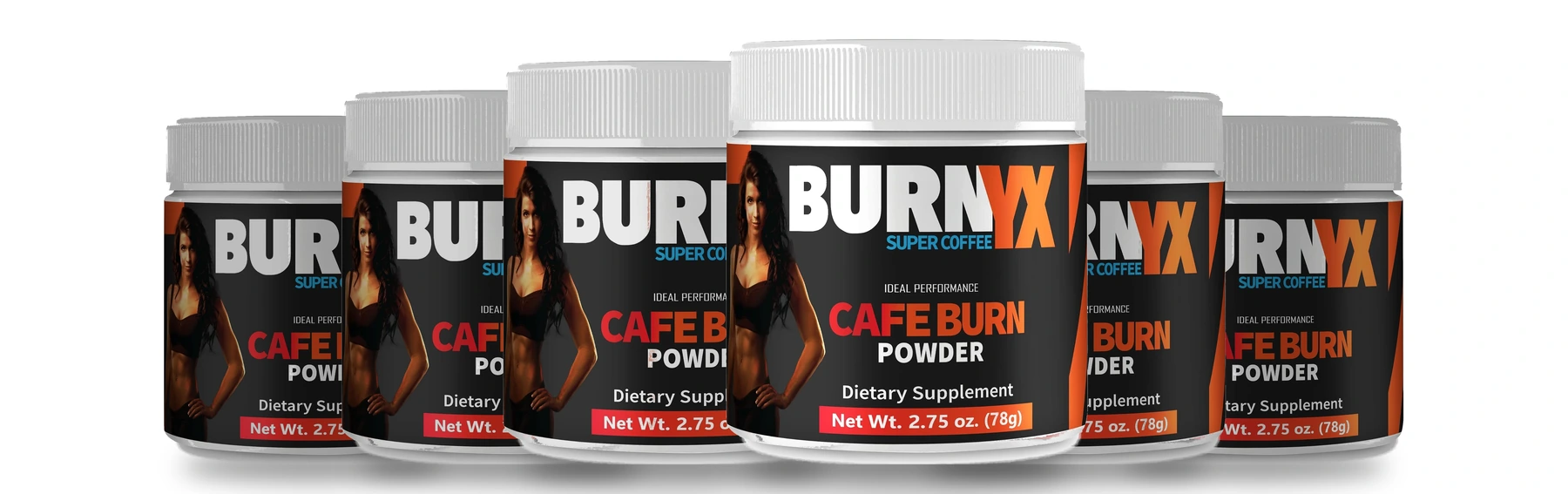
Give your better defaults a low-calorie ally. Burnyx multi-jar packages come with a 60-day money-back guarantee and free shipping on larger bundles.
References
- Mozaffarian D, et al. “Changes in diet and lifestyle and long-term weight gain in women and men.” (N Engl J Med, 2011)
- “Sugar-sweetened beverage consumption and weight gain in children and adults: a systematic review and meta-analysis of prospective cohort studies and randomized controlled trials.” (Am J Clin Nutr, 2023)
- Hall KD, et al. “Ultra-Processed Diets Cause Excess Calorie Intake and Weight Gain: An Inpatient Randomized Controlled Trial of Ad Libitum Food Intake.” (Cell Metab, 2019)
- NIH Office of Dietary Supplements — Dietary Supplements for Weight Loss
- Harvard T.H. Chan School of Public Health, The Nutrition Source. “Healthy Weight” and “Sugary Drinks.” hsph.harvard.edu/nutritionsource
- Centers for Disease Control and Prevention. “Healthy Eating for a Healthy Weight” and “Rethink Your Drink.” cdc.gov
- National Health Service (UK). “Eat well” and “Cut down on sugar.” nhs.uk
- U.S. Food & Drug Administration. “Dietary Supplements” and “Added Sugars.” fda.gov
† These statements have not been evaluated by the Food and Drug Administration. This product is not intended to diagnose, treat, cure or prevent any disease. This article is for general educational purposes only and is not medical advice; consult a qualified professional about your individual needs.