How Stress Affects Weight Gain: Cortisol, Cravings and Daily Fixes
| The mechanism | Stress raises cortisol, which drives appetite and cravings for high-calorie comfort foods. |
| The knock-on effects | Stress steals sleep and saps energy to move and cook — more calories in, fewer out. |
| Where it shows | Often around the midsection, where cortisol is linked with fat storage. |
| The fix | Manage stress directly — sleep, movement, relaxation and removing trigger foods. |

Most people intuitively feel that stressful periods and creeping weight go together, and the science broadly agrees. Understanding how stress affects weight gain reveals a chain reaction: pressure raises a hormone called cortisol, cortisol nudges up appetite and cravings, and the fallout — poor sleep, less movement, comfort eating — quietly tips the daily calorie balance. The encouraging part is that every link in this chain is something you can influence with ordinary daily habits. This guide explains the mechanism and, more importantly, what to do about it.
How does stress affect weight gain?
When you face a stressor, your body launches its ancient “fight or flight” response, releasing adrenaline and then cortisol. In a genuine short-term emergency, this is helpful — it mobilises energy so you can act. The problem is that modern stress is rarely a brief physical threat. It is a long-running drip of deadlines, worries and pressure, which keeps cortisol elevated for far longer than the system was designed for. That is where the trouble with weight begins.
Chronically raised cortisol is associated with increased appetite and a particular pull toward sugary, fatty, calorie-dense “comfort” foods. Your body, sensing an ongoing threat, is effectively encouraged to seek quick energy and to store it — and it tends to store it around the abdomen, one reason ongoing stress is linked with belly fat. We cover the abdominal side of this in detail in our guide on what causes stubborn belly fat.
The three ways stress adds weight
1. Cortisol, appetite and cravings
The most direct route is appetite. Elevated cortisol is associated with feeling hungrier and craving the foods most likely to add calories fast. This is not a failure of willpower — it is a hormonal signal working against you, which is exactly why trying to white-knuckle through it so often fails. If constant hunger is a theme for you, our guide on why you might always feel hungry explores the other causes too. A systematic review of hypothalamic-pituitary-adrenal axis activity in obesity found the relationship between cortisol and body weight to be real but considerably messier than the popular version suggests (Psychoneuroendocrinology, 2015).
2. Stress steals your sleep
Stress and poor sleep feed each other. A racing mind at bedtime cuts your sleep short, and short sleep in turn shifts your appetite hormones toward more hunger and stronger cravings the next day. Tired, stressed and hungry is the worst combination for sensible eating, and it repeats night after night unless the cycle is deliberately broken.
3. Stress drains the energy to move and cook
When you are frazzled, the last thing you want to do is exercise or prepare a proper meal. Movement drops and convenience food rises — more calories in, fewer calories out. Over weeks and months, this quiet shift in the daily balance is often where the weight actually comes from, even more than the cravings themselves.
Acute stress versus chronic stress
It is worth drawing a clear line between the two, because they behave very differently. Acute stress — a near-miss in traffic, a big presentation — is short and self-limiting; cortisol rises and then falls back to normal once the moment passes, and it rarely affects your weight. The trouble comes from chronic stress: the low-grade, always-on pressure of money worries, a demanding job, caring responsibilities or simply a life with no room to recover. Here cortisol stays elevated for weeks or months, and it is this sustained elevation, not the occasional spike, that is linked with appetite, cravings and fat storage around the middle. Recognising which kind you are dealing with helps you respond sensibly: acute stress usually just needs to pass, while chronic stress needs a genuine, ongoing plan to bring it down. A later meta-analysis of HPA-axis activity and obesity reached the same broad conclusion, with long-term cortisol measures showing a clearer link than single-point blood samples (Obesity, 2021).
Keep an easy routine on busy days
Burnyx is a once-daily Cafe Burn super-coffee powder with a 2:1:1 BCAA blend, L-glutamine and Vitamin B6 — a simple, low-calorie habit that is easy to keep even when life is hectic, supporting energy and an active weight-management routine. Protected by a 60-day guarantee.
See Burnyx Packages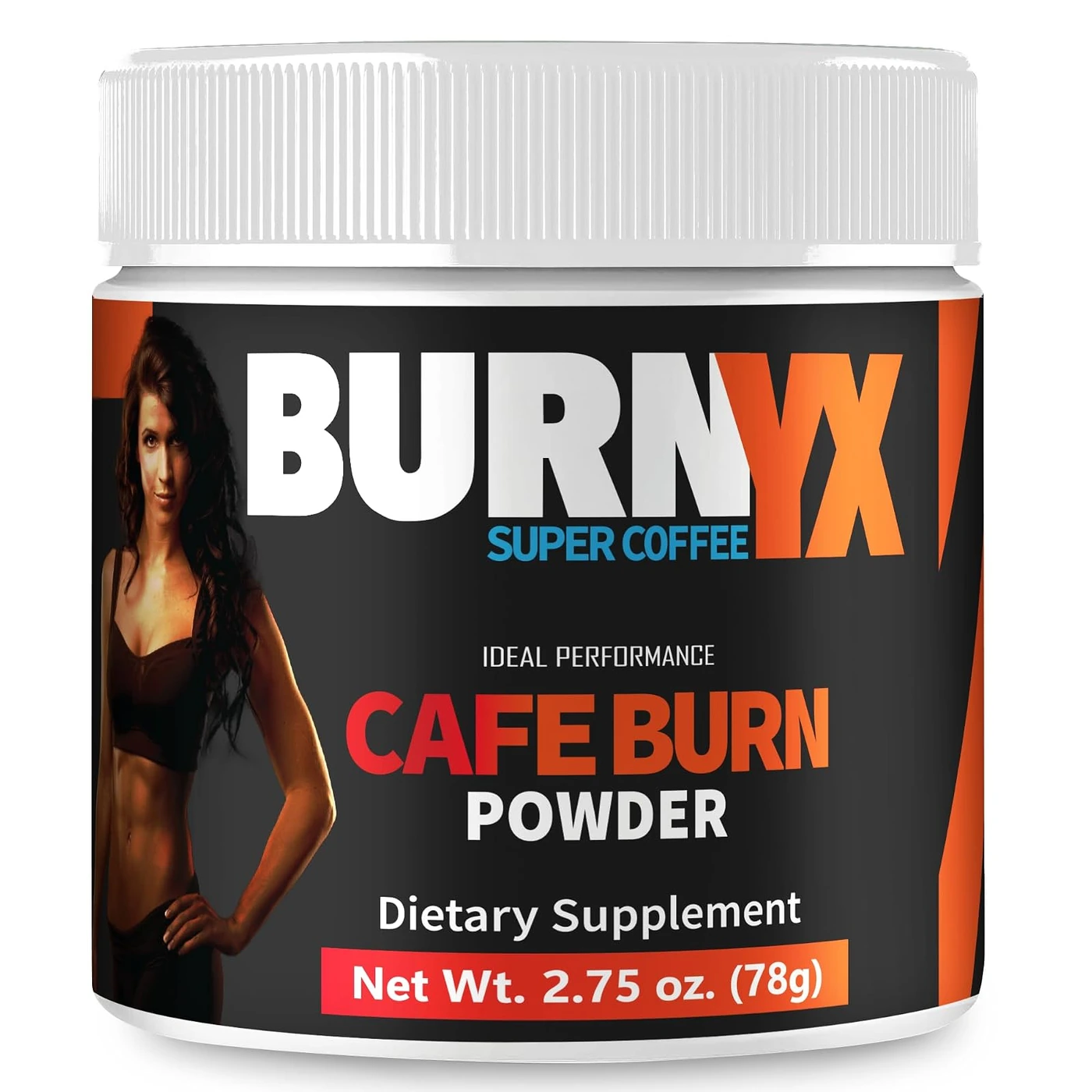
Daily habits to break the stress-weight cycle
You cannot always remove the sources of stress, but you can change how your body and routine respond to it. These habits target every link in the chain above. A systematic review and meta-analysis of mindfulness-based interventions for weight loss reported modest but measurable effects, which is a fair summary of what stress-management alone can be expected to do (Obes Rev, 2018). The eating side of the cycle has its own playbook in our guide to how to stop emotional eating.
Protect your sleep first. A consistent wind-down and regular bedtime steady the appetite hormones that stress disrupts. It is the single highest-leverage habit for breaking the cycle.
Move to discharge stress. Physical activity is one of the most effective natural stress relievers, and it burns energy at the same time. A brisk daily walk counts — it does not have to be an intense workout.
Build in real relaxation. A few minutes of slow breathing, meditation, time in nature or a genuine hobby lowers the stress response. Even short, regular pauses add up.
Pause before you eat. When a craving hits during a stressful moment, take a breath and ask whether you are truly hungry or simply seeking comfort. That small gap is often enough to make a different choice.
Remove easy trigger foods. Keeping tempting comfort foods out of the house means a stressful moment does not automatically become a calorie binge. Our guide on how to stop late-night snacking has more on this.
Eat to steady your energy. Meals rich in protein and fibre keep blood sugar and appetite stable, so stress has less hunger to amplify. Build them into a dependable morning routine for weight loss.

The bottom line
Stress affects weight gain through a clear chain: cortisol raises appetite and cravings, stolen sleep worsens both, and low energy cuts your movement and cooking — tipping the daily calorie balance, often toward the midsection. Because the chain is made of ordinary daily links, it responds to ordinary daily habits. Prioritise sleep, move to discharge tension, build in real relaxation, and set up your food environment so a stressful moment does not become a calorie binge. Manage the stress and the eating tends to follow. If stress and sleep are a persistent struggle affecting your health, it is worth speaking with a healthcare professional. Explore more on the Burnyx homepage.
Frequently asked questions
How does stress cause weight gain?
Stress raises the hormone cortisol, which is associated with increased appetite and cravings for high-calorie comfort foods. Stress also disrupts sleep and reduces motivation to move and cook, so the extra calories tend to arrive alongside less activity. Together these effects can gradually add weight, often around the midsection.
Does cortisol make you gain belly fat?
Chronically raised cortisol is associated with a tendency to store fat around the abdomen. It does not create fat from nothing, but by driving appetite and encouraging fat storage in the midsection while sleep and activity suffer, ongoing stress can contribute to belly fat over time.
What is stress eating and how do I stop it?
Stress eating is turning to food for comfort rather than hunger, usually reaching for sugary or fatty foods. The most reliable way to reduce it is to address the stress directly with sleep, movement and relaxation, remove easy trigger foods from the home, and pause to ask whether you are truly hungry before eating.
Can reducing stress help with weight loss?
Yes, indirectly. Lowering stress tends to reduce cravings, improve sleep and free up energy for movement and better food choices, all of which make a calorie-aware routine easier to sustain. Stress management is a genuine part of weight management, not a side issue.
Does poor sleep from stress affect weight?
Very much so. Stress often steals sleep, and short sleep shifts appetite hormones toward greater hunger and cravings the next day while lowering energy for activity. Protecting sleep is one of the most effective ways to break the stress-and-weight cycle.
A steady habit for hectic weeks
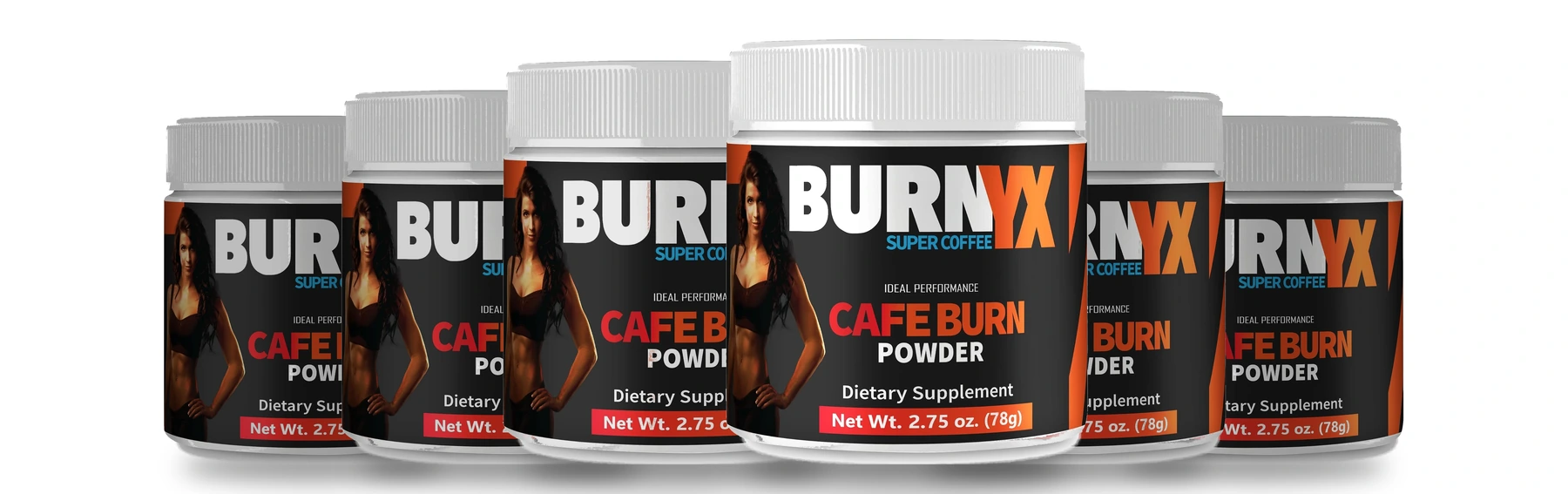
Keep your routine simple when life is not. Burnyx multi-jar packages include a 60-day money-back guarantee and free shipping on larger bundles.
References
- “Hypothalamic-pituitary-adrenal axis dysregulation and cortisol activity in obesity: A systematic review.” (Psychoneuroendocrinology, 2015)
- “Deciphering the Association Between Hypothalamus-Pituitary-Adrenal Axis Activity and Obesity: A Meta-Analysis.” (Obesity, 2021)
- “Mindfulness-based interventions for weight loss: a systematic review and meta-analysis.” (Obes Rev, 2018)
- NIH Office of Dietary Supplements — Dietary Supplements for Weight Loss
- American Psychological Association. “Stress effects on the body.” apa.org
- Harvard Health Publishing. “Why stress causes people to overeat.” health.harvard.edu
- Centers for Disease Control and Prevention. “Coping with Stress” and “Sleep and Health.” cdc.gov
- Mayo Clinic. “Weight loss: Gain control of emotional eating.” mayoclinic.org
- U.S. Food & Drug Administration. “Dietary Supplements.” fda.gov
† These statements have not been evaluated by the Food and Drug Administration. This product is not intended to diagnose, treat, cure or prevent any disease. This article is for general educational purposes only and is not medical advice; consult a qualified professional about your individual needs.