What Causes a Slow Metabolism? Everyday Causes and How to Support It
| Main causes | Lost muscle, repeated crash diets, too little movement, poor sleep, chronic stress and age-related change. |
| Less common | Medical causes such as an underactive thyroid — worth checking with a doctor if you are concerned. |
| What helps | Strength training, more daily movement, enough protein, good sleep and avoiding extreme diets. |
| Reality check | You cannot transform your metabolism, but you can protect and support it with steady habits. |
“I must have a slow metabolism” is one of the most common explanations people reach for when the scale will not budge. Sometimes there is truth in it — but the reasons are usually more practical, and more fixable, than people assume. If you have been wondering what causes a slow metabolism, the answer is rarely a single broken switch. It is a handful of everyday factors that quietly lower how much energy your body burns, most of which respond to the habits you build. This guide walks through the real causes and the lifestyle changes that support a healthy metabolic rate.
First, what “metabolism” actually means
Your metabolism is simply the sum of all the energy your body uses to keep you alive and moving. The largest part is your resting metabolic rate — the calories you burn just existing, breathing, pumping blood and repairing tissue. On top of that sits the energy used to digest food and, crucially, the energy you burn through movement, from formal exercise to fidgeting and walking around.
The important insight is that muscle is metabolically active tissue: it burns more energy at rest than fat does. That single fact explains most of what people call a “slow metabolism.” When you lose muscle, your engine gets smaller, and you burn fewer calories around the clock.
What causes a slow metabolism? The everyday drivers
1. Loss of muscle mass
This is the biggest lever of all. Muscle is expensive for the body to maintain, so more muscle means a higher resting burn. When muscle declines — through inactivity, ageing or aggressive dieting — your metabolic rate falls with it. Protecting and building muscle is therefore the most effective thing you can do to support your metabolism. Data from the Baltimore Longitudinal Study of Aging found greater skeletal-muscle oxidative capacity associated with a higher resting metabolic rate, which is the measurable version of “muscle costs energy to keep” (J Gerontol A Biol Sci Med Sci, 2020).
2. Repeated crash diets
Very low-calorie diets can backfire in two ways. First, the body adapts to prolonged severe restriction by lowering its resting energy use to conserve fuel. Second, extreme dieting without enough protein or resistance training tends to strip away muscle along with fat. The result is a smaller engine and a body primed to regain weight — a big reason yo-yo dieting is so counterproductive. A modest, sustainable deficit is far kinder to your metabolism. A systematic review asking whether adaptive thermogenesis occurs after weight loss in adults found energy expenditure can drop further than body-size change alone would predict (Br J Nutr, 2022).
3. Too little daily movement
A sedentary day burns very few calories beyond your resting rate. The energy you spend on everyday activity — walking, standing, chores, fidgeting — adds up to a surprising amount over a week, and it shrinks when life becomes desk-bound. Less movement also accelerates muscle loss, compounding the problem.
Fuel an active, muscle-friendly routine
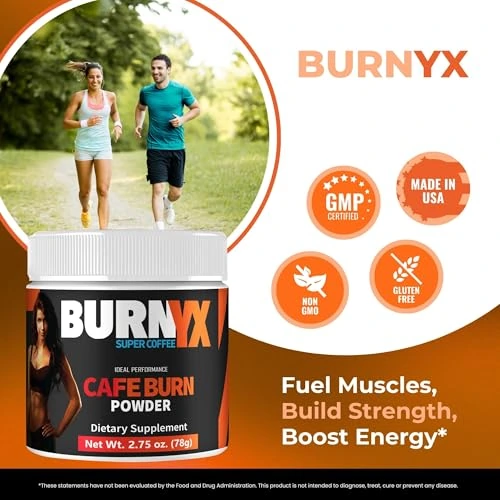
Burnyx is a once-daily Cafe Burn super-coffee powder with a 2:1:1 BCAA blend, L-glutamine and Vitamin B6 — built to support everyday energy and lean-muscle recovery as part of an active, calorie-aware routine. Protected by a 60-day guarantee.
See Burnyx Packages
4. Poor and irregular sleep
Short sleep disrupts the hormones that regulate appetite and energy balance and is linked to weight gain over time. It also drains the motivation you need for the movement and strength work that keep your metabolism healthy. Consistent, sufficient sleep is an underrated part of metabolic health. The appetite side of that is covered in our guide to whether lack of sleep can cause weight gain.
5. Chronic stress
Ongoing stress raises cortisol, which is associated with increased appetite, cravings and a tendency to store fat around the middle. Stress also tends to disrupt sleep and derail healthy routines, creating a cycle that works against you. Our guide on how stress affects weight gain explores this connection in depth.
6. Age and hormonal change
Metabolism does gradually shift with age, mainly because muscle mass tends to decline and people often become less active over the years. Hormonal changes play a role too. This is normal, but it is not a life sentence — the habits that protect muscle become more valuable with each decade, not less. A longitudinal analysis of resting metabolic rate with ageing found the decline is real but gradual, and is accelerated markedly by illness rather than by age on its own (Nutrients, 2020).
7. Genuine medical causes
Less commonly, a truly slow metabolism can stem from a medical condition such as an underactive thyroid (hypothyroidism) or certain medications. If you have unexplained fatigue, weight change, feeling cold, or other persistent symptoms, it is worth seeing a doctor so any underlying cause can be checked properly rather than assumed.
How to support a healthy metabolism
You cannot dramatically rewrite your metabolism, but you can keep it as healthy as possible with habits that protect muscle and keep you active. These target the everyday causes above directly. If the habits are already in place and the scale still will not move, our guide to why you cannot lose weight even when eating healthy covers the usual hidden reasons.
Strength train two to three times a week. Resistance work is the single best way to preserve and build the muscle that keeps your resting burn higher. This is the highest-leverage habit for metabolic health.
Eat enough protein. Protein helps preserve muscle during weight loss and takes slightly more energy to digest than carbs or fat. Anchor your meals around it. Amino acids play a supporting role too — our guide on whether BCAAs help with weight loss looks at how they fit an active routine.
Move more all day. Beyond formal exercise, walk more, take the stairs and break up long sitting. These small movements add up to a meaningful share of daily energy use.
Do not crash diet. Choose a modest, sustainable calorie deficit that protects muscle rather than an extreme one that shrinks your engine and rebounds.
Prioritise sleep and manage stress. Both protect the hormones and habits that keep your metabolism working well. Treat them as part of the plan, not extras.

The bottom line
A slow metabolism is rarely a single broken mechanism and almost never a hopeless one. Far more often it is the sum of lost muscle, extreme dieting, too little movement, poor sleep, stress and the ordinary changes of age — most of which you can influence. There is no food or pill that meaningfully speeds up your metabolism, but the unglamorous fundamentals reliably support it: build muscle, move often, eat enough protein, sleep well and skip the crash diets. And if something feels genuinely off, see a doctor. For the closely related question of why fat clings to the middle, see our guide on what causes stubborn belly fat, or start with the basics on the Burnyx homepage.
Frequently asked questions
What causes a slow metabolism?
A slower metabolism is usually the result of several everyday factors: loss of muscle mass, repeated crash diets that lower your resting energy use, too little daily movement, poor sleep, chronic stress and the natural changes that come with age. Genuine medical causes such as an underactive thyroid exist but are less common, so persistent concerns should be checked by a doctor.
Can you speed up a slow metabolism?
You cannot dramatically transform your metabolism, but you can support it. Building and preserving muscle through strength training, moving more throughout the day, eating enough protein, sleeping well and avoiding extreme diets all help keep your metabolic rate as healthy as possible for your body.
Does crash dieting slow your metabolism?
Very low-calorie diets can lower your resting energy use as the body adapts to conserve energy, and they often cost you muscle, which burns more calories than fat. This is one reason crash diets tend to backfire. A modest, sustainable calorie deficit protects muscle and is easier to maintain long term.
Does age really slow your metabolism?
Metabolism does gradually change with age, largely because muscle mass tends to decline over the years and activity often drops. The good news is that both are partly within your control — regular strength training and staying active help protect the muscle that keeps your metabolism ticking as you get older.
What foods support a healthy metabolism?
No single food meaningfully speeds up metabolism, but protein-rich foods take slightly more energy to digest and help preserve muscle, while overall a balanced diet with enough protein, fibre, fruit and vegetables supports a healthy metabolic rate. Staying hydrated and not undereating also matter more than any so-called fat-burning food.
Support your routine, one scoop a day
Make an active, muscle-friendly routine easier to keep with a simple once-daily habit. Burnyx multi-jar packages include a 60-day money-back guarantee and free shipping on larger bundles.
References
- “Greater Skeletal Muscle Oxidative Capacity Is Associated With Higher Resting Metabolic Rate: Results From the Baltimore Longitudinal Study of Aging.” (J Gerontol A Biol Sci Med Sci, 2020)
- “Does adaptive thermogenesis occur after weight loss in adults? A systematic review.” (Br J Nutr, 2022)
- “Longitudinal Changes in Resting Metabolic Rates with Aging Are Accelerated by Diseases.” (Nutrients, 2020)
- NIH Office of Dietary Supplements — Dietary Supplements for Weight Loss
- Harvard T.H. Chan School of Public Health, The Nutrition Source. “Does Metabolism Matter in Weight Loss?” hsph.harvard.edu/nutritionsource
- Mayo Clinic. “Metabolism and weight loss: How you burn calories.” mayoclinic.org
- Centers for Disease Control and Prevention. “Physical Activity for a Healthy Weight” and “Sleep and Health.” cdc.gov
- National Health Service (UK). “Metabolism and weight loss.” nhs.uk
- U.S. Food & Drug Administration. “Dietary Supplements.” fda.gov
† These statements have not been evaluated by the Food and Drug Administration. This product is not intended to diagnose, treat, cure or prevent any disease. This article is for general educational purposes only and is not medical advice; consult a qualified professional about your individual needs.