Why Does My Weight Fluctuate Day to Day? The Real Causes of Scale Swings
| The real cause | Day-to-day swings are water and the contents of your gut — not fat gained or lost overnight. |
| What moves the scale | Salt, carbohydrates, hormones, hydration, exercise and how recently you ate or used the bathroom. |
| Typical range | One to two and a half kilograms — roughly two to five pounds — within a single day is normal. |
| How to track | Weigh under the same conditions and judge the weekly average, never a single morning. |

You ate carefully, you did everything right — and the scale is up a kilo this morning. Before you despair, take a breath, because the answer to “why does my weight fluctuate day to day?” is almost always reassuring. Your body weight is not a fixed number; it drifts up and down constantly as water, food and waste move through you. A single pound of fat takes roughly 3,500 calories of surplus to build, so the two-pound jump you saw overnight is physically impossible to be fat — it is water and digestive contents. This guide explains the everyday causes of daily weight fluctuation, why it is completely normal, and how to read the scale so it tells you the truth instead of ruining your morning.
Why your weight is never a fixed number
Most of your body is water — well over half — and the amount you hold shifts hour to hour depending on what you eat and drink, your hormones and your activity. On top of that, the food and fluid making its way through your digestive tract has real weight while it is inside you. Add these together and it is entirely normal for the scale to read one to two and a half kilograms, or two to five pounds, higher or lower on different days with no change in body fat at all. Once you understand that, the daily number stops being a verdict and becomes just one noisy data point. Here are the main things moving it. Because the daily number is noisy, the useful skill is reading the trend: a systematic review of self-monitoring in weight loss found regular tracking consistently associated with better outcomes (J Am Diet Assoc, 2011).
1. Salt and sodium
Sodium makes your body hold on to water to keep its fluid balance right. A salty restaurant meal, a takeaway or a bag of crisps can leave you a pound or two heavier the next morning — pure water, not fat. It clears within a day or two as your body rebalances, especially if you drink normally and eat lighter on salt. This is one of the most common reasons for a sudden overnight jump. Salt also drives the puffed-up feeling covered in our guide to why you feel bloated all the time.
2. Carbohydrates and glycogen
Your body stores carbohydrate as glycogen in the muscles and liver, and every gram of glycogen holds roughly three grams of water alongside it. Eat a big pasta, rice or bread-heavy meal and you top up those stores — and the water that comes with them — showing up as weight on the scale. This is exactly why low-carb diets produce a dramatic first-week drop: it is largely glycogen and water leaving, not a fat-loss miracle.
3. How much you've drunk — and hydration
Water itself has weight, so a big drink before you step on the scale nudges it up temporarily. Counter-intuitively, being under-hydrated can also make the body retain water. Steady, adequate hydration through the day keeps things more even — and supports weight management in other ways too, as we cover in does drinking water help you lose weight.
A steady, low-calorie daily habit
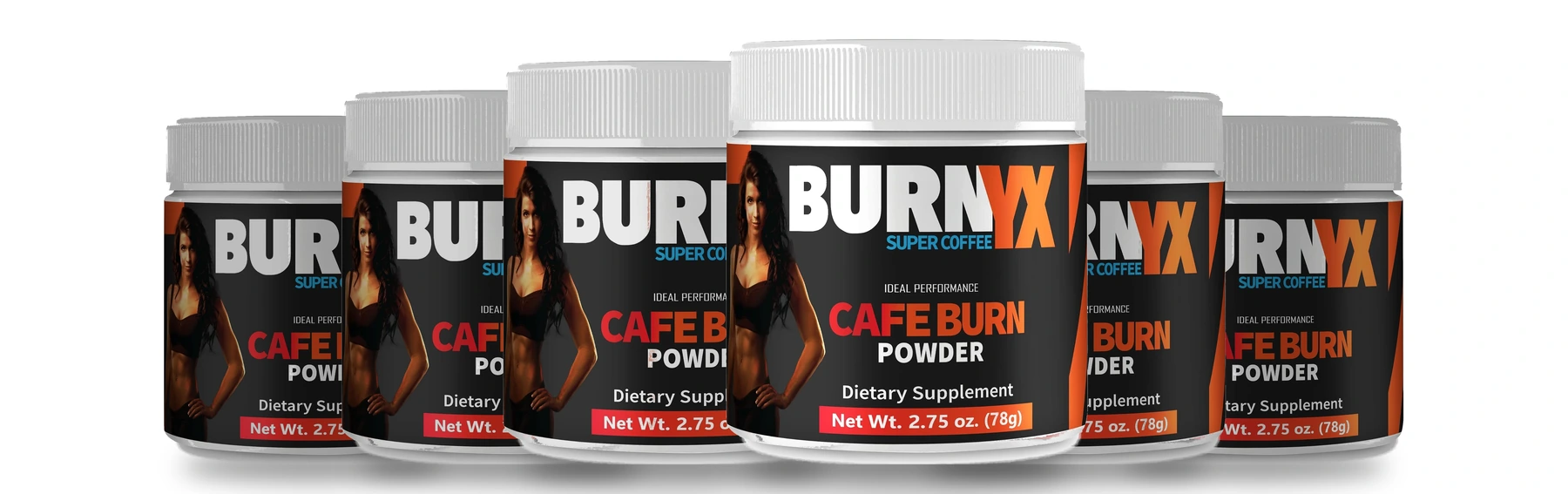
Burnyx is a once-daily Cafe Burn super-coffee powder with a 2:1:1 BCAA blend, L-glutamine and Vitamin B6 — a low-calorie way to make your coffee more satisfying and support a consistent, appetite-aware routine. Protected by a 60-day money-back guarantee.
See Burnyx Packages
4. Food and waste still in transit
Everything you have eaten and drunk that has not yet been fully processed is sitting in your digestive system with weight of its own. That is why you are usually lightest first thing in the morning, after a night without food and after using the bathroom, and heavier later in the day. Constipation or simply a large recent meal can add a pound or more that has nothing to do with fat.
5. Hormones and the monthly cycle
Hormonal changes cause the body to retain more water at certain times, most noticeably in the days before a menstrual period, when many people see the scale rise by a kilo or more. It reverses on its own once the cycle moves on. Stress hormones can play a role too, which is one of several reasons the scale and your stress levels sometimes move together — see how stress affects weight gain.
6. Exercise and muscle recovery
A hard or unfamiliar workout can cause tiny muscle repairs that draw in water temporarily, so the scale can actually rise a little the day after training. Intense exercise also depletes and then refills glycogen, moving water with it. None of this is fat gain — if anything it is a sign your body is adapting and recovering. This is one reason a randomised study of frequent self-weighing with visual feedback framed the daily reading as a data point in a trend line rather than a verdict (J Obes, 2015).

How to weigh yourself so the scale tells the truth
Because a single reading is so noisy, the trick is to control the conditions and watch the trend: A systematic review and meta-analysis asking whether self-weighing is an effective tool for weight loss found frequent weighing associated with better results, not with the anxiety many people fear (Int J Behav Nutr Phys Act, 2015).
Weigh at the same time, under the same conditions. First thing in the morning, after the bathroom, before eating or drinking, in similar clothing. This strips out most of the daily noise.
Judge the weekly average, not the daily number. Take several readings across the week and compare this week's average with last week's. That average is where real change shows up.
Expect the zig-zag. Even during steady fat loss the graph will bounce up and down. A rise on any given morning does not mean progress has stopped — the direction of the line over weeks is what counts.
Use more than the scale. Measurements, how your clothes fit, energy levels and progress photos capture changes the scale can miss — particularly if you are building a little muscle while losing fat.
Don't chase a single bad morning. The worst response to a water-weight spike is to slash food or over-train in a panic. Stick to the plan and let the trend reassert itself. If the scale has genuinely stalled over several weeks, that is a different situation, covered in how to break a weight-loss plateau.
Understanding daily fluctuation is quietly one of the most powerful things you can learn for staying sane on a weight-loss journey. When you know that the overnight jump is water, salt or last night's dinner — not months of effort undone — the scale loses its power to derail you, and you can keep your attention on the habits that actually move the trend.
Frequently asked questions
Why does my weight fluctuate day to day?
Daily weight swings are almost always changes in water and the contents of your digestive system, not fat. Salty meals, carbohydrate intake, hormones, how much you have had to drink, exercise and how recently you ate or used the bathroom can all move the scale by one to two kilograms, or two to four pounds, within a single day. It is completely normal.
How much can weight fluctuate in a day?
It is common for weight to vary by around one to two and a half kilograms, roughly two to five pounds, across a single day and from morning to night. Larger swings can follow a very salty meal, a big carbohydrate refeed or hormonal changes. None of this reflects real fat gain or loss.
Should I weigh myself every day?
Daily weighing is fine and can be useful, but only if you focus on the weekly average rather than each individual number. Weighing under the same conditions — first thing in the morning, after the bathroom, before eating or drinking — makes the trend easier to read and far less stressful.
Why do I weigh more at night than in the morning?
Across the day you eat and drink, and that food and fluid has weight while it moves through your body. You are also usually lightest in the morning after a night without eating or drinking and after using the bathroom. The difference is water and digestive contents, not fat gained during the day.
When is a weight change worth worrying about?
Day-to-day swings are normal. A rapid, large or persistent change in weight that is not explained by diet or fluids, or that comes with swelling, breathlessness or other symptoms, is worth discussing with a healthcare professional. This article is general information, not medical advice.
Keep your routine consistent
Steady habits beat a panic over one bad morning. Burnyx multi-jar packages come with a 60-day money-back guarantee and free shipping on larger bundles.
References
- “Self-monitoring in weight loss: a systematic review of the literature.” (J Am Diet Assoc, 2011)
- “Is self-weighing an effective tool for weight loss: a systematic literature review and meta-analysis.” (Int J Behav Nutr Phys Act, 2015)
- “Frequent Self-Weighing and Visual Feedback for Weight Loss in Overweight Adults.” (J Obes, 2015)
- NIH Office of Dietary Supplements — Dietary Supplements for Weight Loss
- Harvard T.H. Chan School of Public Health, The Nutrition Source. “Healthy Weight” and “Carbohydrates.” hsph.harvard.edu/nutritionsource
- Centers for Disease Control and Prevention. “Losing Weight” and “Sodium.” cdc.gov
- National Health Service (UK). “Water, drinks and hydration” and “Managing your weight.” nhs.uk
- U.S. Food & Drug Administration. “Dietary Supplements” and “Sodium in Your Diet.” fda.gov
† These statements have not been evaluated by the Food and Drug Administration. This product is not intended to diagnose, treat, cure or prevent any disease. This article is for general educational purposes only and is not medical advice; consult a qualified professional about your individual needs.