Why Am I Always Hungry? 9 Everyday Causes and How to Feel Full for Longer
| Most common cause | Meals low in protein and fibre that spike and crash blood sugar, so hunger returns quickly. |
| Sneaky causes | Dehydration, short sleep, stress, boredom and eating too fast — all can feel like real hunger. |
| The fix | Protein and fibre at every meal, enough water, better sleep, and slowing down at the table. |
| When to check | Persistent, unexplained hunger with other symptoms is worth raising with a healthcare professional. |

If you find yourself asking “why am I always hungry?” a couple of hours after a full meal, you are not imagining it and you are not simply lacking willpower. Constant hunger is almost always a signal — your body telling you that something in your daily routine is nudging your appetite upward. The good news is that most of the causes are everyday, fixable things: what your meals are made of, how much you drink, how you sleep, and how stressed you feel. This guide walks through nine of the most common reasons for feeling hungry all the time, and the simple daily habits that help you feel full for longer.
Why am I always hungry? Start with what is on your plate
Before blaming your metabolism, look at the composition of your meals. The single biggest reason people feel hungry all the time is that their meals are built mostly from fast-digesting refined carbohydrates — white bread, sugary cereal, pastries, crisps and sweet drinks — with very little protein or fibre alongside. These foods raise blood sugar quickly and then let it fall just as fast, and that drop is one of the strongest triggers for hunger and cravings.
Two nutrients do most of the heavy lifting when it comes to fullness: protein and fibre. Protein is the most satiating of the three macronutrients gram for gram, and fibre slows digestion and adds bulk without adding many calories. When a meal contains generous amounts of both, the fullness signal lasts far longer than it does after a plate of refined carbs alone.
1. Your meals are low in protein
Protein takes longer to digest and influences the hormones that tell your brain you have eaten enough. If your breakfast is toast and jam and your lunch is a plain sandwich, you may simply not be getting enough. Aim to anchor every meal around a protein source: eggs, Greek yoghurt, fish, chicken, tofu, beans or lentils. A useful rule of thumb is to fill roughly a quarter of your plate with a protein food and eat it first. A systematic review of dietary protein and appetite sensations in adults with overweight and obesity found higher-protein meals consistently raised reported fullness (Eur J Nutr, 2020).
2. You are not eating enough fibre
Fibre-rich foods — vegetables, fruit, oats, wholegrains, beans and legumes — slow the release of energy and keep you feeling satisfied. Diets heavy in processed foods tend to be low in fibre, which is part of why they leave you hungry. Building meals around plants and wholegrains rather than refined versions is one of the most effective everyday habits for taming appetite.
3. Blood-sugar swings from refined carbs
Rapid ups and downs in blood sugar are a classic driver of the “hungry again already” feeling. Pairing carbohydrates with protein, fat and fibre — for example, apple slices with a spoon of nut butter, or wholegrain toast with eggs — blunts the spike and the crash, so hunger returns more slowly and gently. The same mechanism sits behind sweet cravings, which is why our guide to how to stop sugar cravings starts in the same place.
An easy, satisfying daily habit
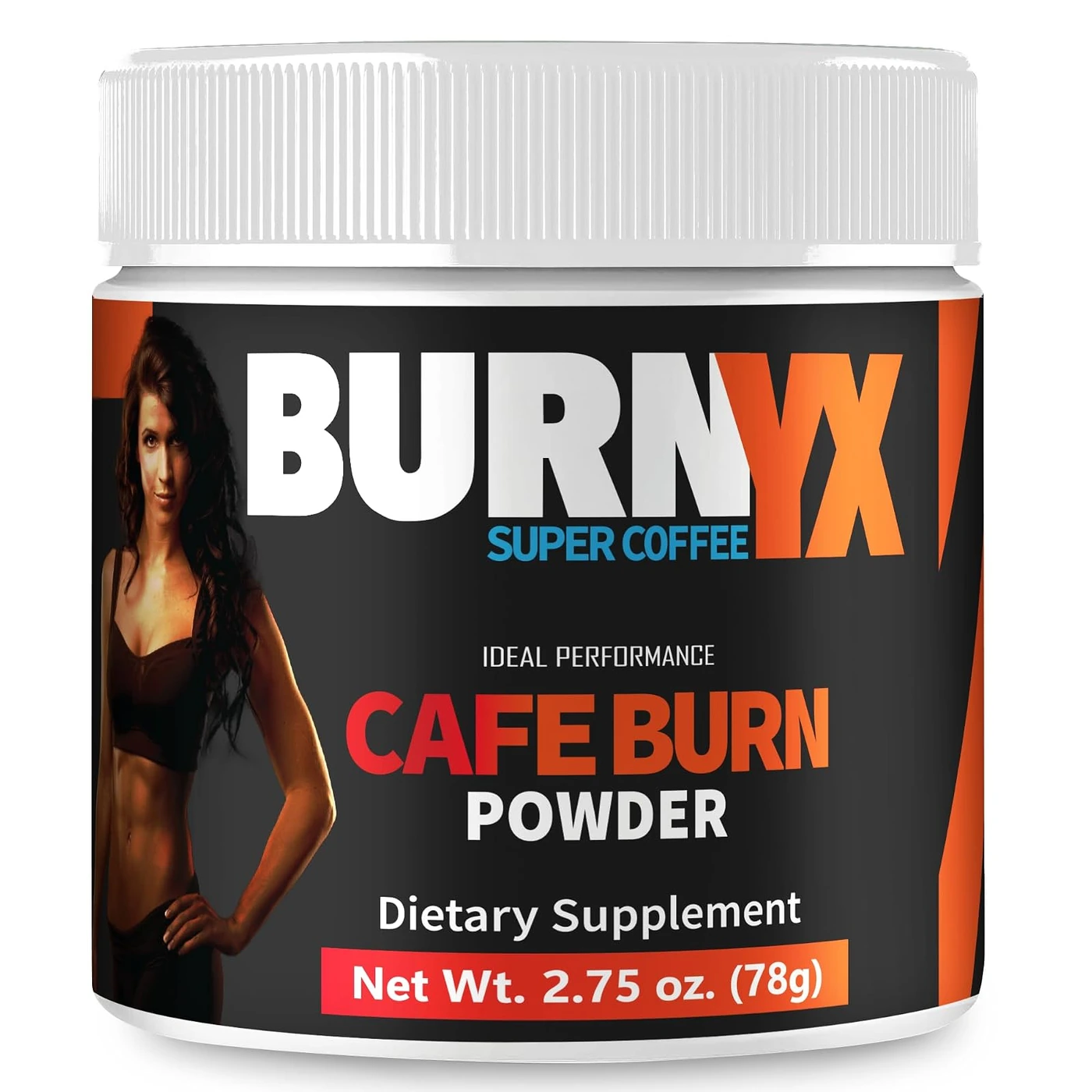
Burnyx is a once-daily Cafe Burn super-coffee powder with a 2:1:1 BCAA blend, L-glutamine and Vitamin B6 — a low-calorie way to make water and coffee more satisfying between meals as part of an active, appetite-aware routine. Protected by a 60-day guarantee.
See Burnyx Packages
The hidden lifestyle causes of constant hunger
Diet is only half the story. Several everyday habits quietly increase appetite, and because they do not feel food-related, they are easy to overlook.
4. You are actually thirsty, not hungry
The brain regions that register thirst and hunger sit close together, and their signals are easy to confuse. Mild dehydration can show up as a vague urge to snack. Next time you feel peckish outside of mealtimes, drink a glass of water and wait ten minutes before deciding whether you are genuinely hungry. Many people find the urge simply passes.
5. You are not sleeping enough
Sleep is one of the most powerful appetite regulators we have, and one of the most neglected. Short or broken sleep tends to shift the balance of the hormones that control hunger and fullness, and it often leaves you reaching for higher-calorie, sugary foods the next day. If you are frequently hungry, a more consistent bedtime may do more than any diet tweak. In a controlled crossover study, cutting healthy young men to four hours in bed was associated with lower leptin, higher ghrelin and increased hunger and appetite (Ann Intern Med, 2004). We unpack the hormonal detail in our guide to whether lack of sleep can cause weight gain.
6. Stress and the cortisol effect
Ongoing stress can raise levels of cortisol, a hormone linked with increased appetite and cravings for calorie-dense comfort foods. If your hunger spikes on your most stressful days, the answer may be found in stress management rather than the fridge. We cover this in detail in our guide to how stress and cortisol affect weight gain.
7. You are eating too fast
It takes roughly twenty minutes for the gut to signal fullness to the brain. Eat faster than that and you can finish a large meal before your body has caught up, leaving you feeling unsatisfied. Slowing down, chewing thoroughly and putting your fork down between bites gives the fullness signal time to arrive. A systematic review and meta-analysis found a consistent association between a faster eating rate and higher body weight (Int J Obes, 2015).
8. Boredom, habit and emotional eating
Not all hunger comes from the stomach. Boredom, low mood and simple routine — snacking in front of the television, for instance — can all masquerade as appetite. A helpful test is to ask whether you would eat a plain, healthy food such as an apple. If nothing but a treat will do, it may be a craving rather than true hunger. If that pattern sounds familiar, our guide to how to stop emotional eating works through it properly.
9. Liquid calories that do not satisfy
Sugary drinks, juices and sweetened coffees deliver calories without triggering much fullness, so they add energy to your day without curbing hunger. Swapping them for water, unsweetened tea or a low-calorie coffee is a simple change that reduces total calories while leaving your appetite better managed.
How to feel full for longer: a simple daily routine
Pulling it together, here is a practical routine that targets the most common causes of constant hunger at once:
Build every meal around protein and fibre. Start with your protein food, add plenty of vegetables or wholegrains, and treat refined carbs as the smallest part of the plate.
Hydrate first. Have a glass of water before meals and whenever a snack urge strikes. It costs nothing and often settles false hunger.
Protect your sleep. A consistent wind-down and a regular bedtime steady the hormones that govern appetite.
Slow down at the table. Give the twenty-minute fullness signal time to work before deciding on seconds.
Manage stress deliberately. A short walk, a few minutes of breathing, or simply stepping outside can take the edge off cortisol-driven cravings.
None of this requires a strict diet or going hungry — the goal is the opposite. When your meals and habits are working with your biology instead of against it, feeling satisfied becomes the default rather than a battle. For more on where supplements do and do not fit, see our honest look at whether BCAAs help with weight loss, and our guide to a morning routine for weight loss.
Frequently asked questions
Why am I always hungry even after eating?
Feeling hungry soon after a meal usually points to what the meal was made of rather than how much you ate. Meals built mainly from refined carbohydrates digest quickly and spike then drop blood sugar, leaving you hungry again fast. Adding protein, fibre and some healthy fat slows digestion and helps the fullness signal last longer.
Can dehydration make you feel hungry?
Yes. Thirst signals are easy to mistake for hunger, so mild dehydration can feel like an urge to snack. Having a glass of water and waiting ten minutes is a simple way to tell the two apart before you reach for food.
Does poor sleep increase appetite?
Short or broken sleep can shift the hormones that regulate appetite, tending to raise hunger and cravings for higher-calorie foods the next day. Prioritising a consistent sleep routine is one of the most underrated habits for managing appetite.
What foods help you feel full for longer?
Protein-rich foods such as eggs, Greek yoghurt, fish, beans and lean meat, along with high-fibre vegetables, fruit, oats and legumes, are among the most filling per calorie. Pairing protein with fibre at each meal is a practical way to stay satisfied.
Is constant hunger a sign of a medical problem?
Most everyday hunger comes down to diet, hydration, sleep and stress. However, persistent, unexplained hunger — especially with other symptoms such as extreme thirst or unintended weight change — is worth discussing with a healthcare professional. This article is general information, not medical advice.
Make your daily routine work for you
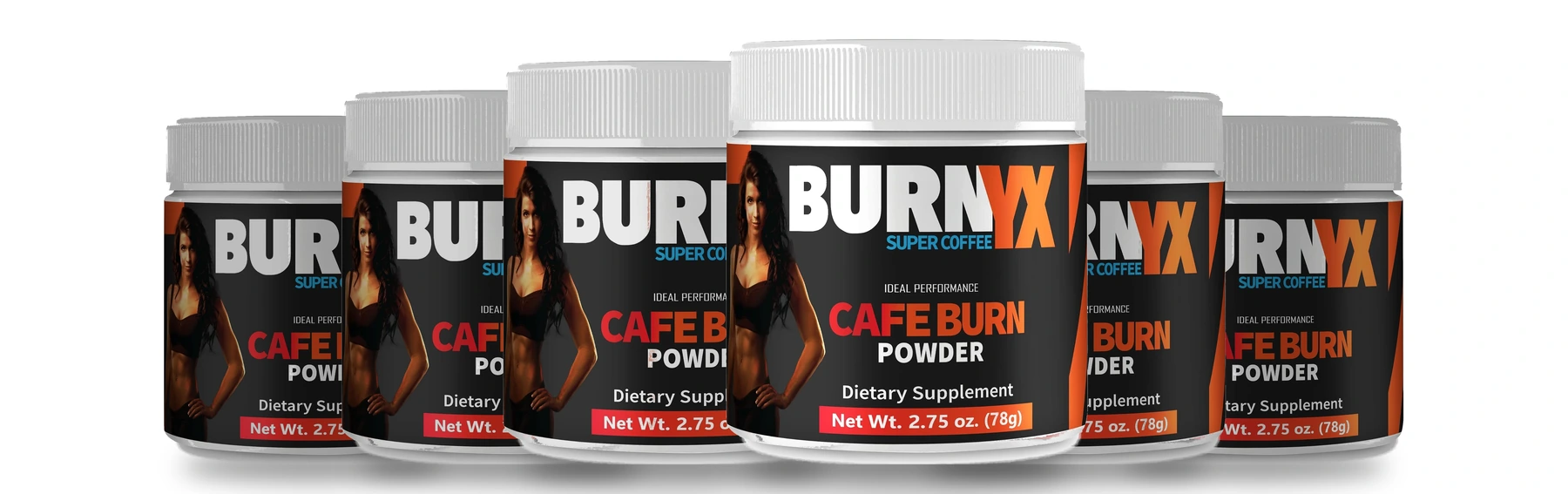
Stack the odds in your favour with an easy, low-calorie habit. Burnyx multi-jar packages come with a 60-day money-back guarantee and free shipping on larger bundles.
References
- “Dietary protein and appetite sensations in individuals with overweight and obesity: a systematic review.” (Eur J Nutr, 2020)
- Spiegel K, et al. “Brief communication: Sleep curtailment in healthy young men is associated with decreased leptin levels, elevated ghrelin levels, and increased hunger and appetite.” (Ann Intern Med, 2004)
- “Association between eating rate and obesity: a systematic review and meta-analysis.” (Int J Obes, 2015)
- NIH Office of Dietary Supplements — Dietary Supplements for Weight Loss
- Harvard T.H. Chan School of Public Health, The Nutrition Source. “Protein” and “Fiber.” hsph.harvard.edu/nutritionsource
- Centers for Disease Control and Prevention. “Water and Healthier Drinks” and “Sleep and Health.” cdc.gov
- National Health Service (UK). “Why do I feel hungry all the time?” nhs.uk
- U.S. Food & Drug Administration. “Dietary Supplements.” fda.gov
† These statements have not been evaluated by the Food and Drug Administration. This product is not intended to diagnose, treat, cure or prevent any disease. This article is for general educational purposes only and is not medical advice; consult a qualified professional about your individual needs.