Why Do I Feel Bloated All the Time? Everyday Causes and Lifestyle Fixes
| Main causes | Eating too fast, salty and gas-forming foods, fizzy drinks, low water intake, irregular meals and stress that slows digestion. |
| Bloating vs fat | Bloating is temporary gas or fluid that comes and goes; belly fat is stored tissue that changes slowly over weeks. |
| What helps fast | Slower eating, less salt and fizz, steady water, gentle movement after meals and calmer, more regular routines. |
| Timeframe | Simple habit changes often ease everyday bloating within one to two weeks. |

If your stomach feels tight, puffy or full for no obvious reason, you are not imagining it — and you are far from alone. Asking why do I feel bloated all the time is one of the most common questions in everyday weight management, partly because bloating is so easily confused with fat gain, and partly because its real causes are hiding in plain sight in the way we eat, drink and move each day. The good news is that most everyday bloating is driven by habits, which means it responds quickly to a few sensible changes. This guide walks through the real causes and the daily routines that help you feel lighter.
First, what bloating actually is
Bloating is the sensation of increased pressure in the abdomen, often with visible swelling. Most of the time it comes down to two things: gas trapped in the digestive tract, and fluid the body is holding on to. Neither is stored fat. That distinction matters, because a great many people see a rounder stomach in the evening, assume they have gained weight, and feel discouraged — when in reality the change is temporary and reversible. A clinical review of chronic abdominal distension and bloating describes it as one of the most common gastrointestinal complaints, and one where diet and gut-brain factors usually matter more than any single disease (Clin Gastroenterol Hepatol, 2021).
A useful rule of thumb: bloating tends to fluctuate through the day, usually flattening overnight and building again after meals. Stored fat, by contrast, stays roughly the same from morning to night and changes only slowly over weeks. If your midsection is noticeably bigger after dinner than it was at breakfast, you are almost certainly looking at bloating rather than fat. For the slower-moving kind of change, our guide on what causes stubborn belly fat covers the everyday drivers of abdominal fat.
Why do I feel bloated all the time? The everyday causes
1. Eating too fast and swallowing air
When you eat quickly, talk while chewing, gulp drinks or chew gum, you swallow more air than you realise. That air has to go somewhere, and much of it ends up as gas in the stomach and gut. Rushing meals also means larger, less-chewed mouthfuls that are harder to digest. Slowing down, chewing thoroughly and putting your fork down between bites is one of the simplest and most effective anti-bloat habits there is.
2. Salt and heavily processed foods
A high-salt diet is one of the biggest hidden causes of a puffy, bloated feeling. Sodium makes the body retain water, and processed foods — ready meals, crisps, cured meats, sauces and many restaurant dishes — are often far saltier than they taste. A single salty meal can leave you holding extra fluid for a day or two. Cooking more from scratch and seasoning with herbs, spices and citrus instead of extra salt makes a visible difference.
3. Gas-forming and fermentable foods
Some very healthy foods are also famously gassy. Beans, lentils, onions, garlic, broccoli, cabbage, cauliflower and certain sweeteners contain fibres and sugars that ferment in the gut, producing gas along the way. You do not need to avoid these nourishing foods — they are good for you — but if you eat a lot of them in one sitting, or increase your fibre suddenly, bloating is a common result. Building up fibre gradually and spreading these foods across the day helps your gut adjust. A systematic review and network meta-analysis found a low-FODMAP diet effective for symptoms in irritable bowel syndrome, which is the clearest evidence that fermentable carbohydrates drive gas and distension in susceptible people (Gut, 2022).
4. Fizzy drinks and carbonation
The bubbles in sparkling water, soda and beer are carbon dioxide gas — and you are effectively drinking gas straight into your stomach. Sugary and artificially sweetened fizzy drinks add a second problem, since some sweeteners are poorly absorbed and ferment in the gut. Swapping fizzy drinks for still water is a small change that many people find flattens the stomach noticeably.
A calmer, steadier daily routine
Burnyx is a once-daily Cafe Burn super-coffee powder with a 2:1:1 BCAA blend, L-glutamine and Vitamin B6 — built to support everyday energy and lean-muscle recovery as part of an active, mindful routine. Protected by a 60-day guarantee.
See Burnyx Packages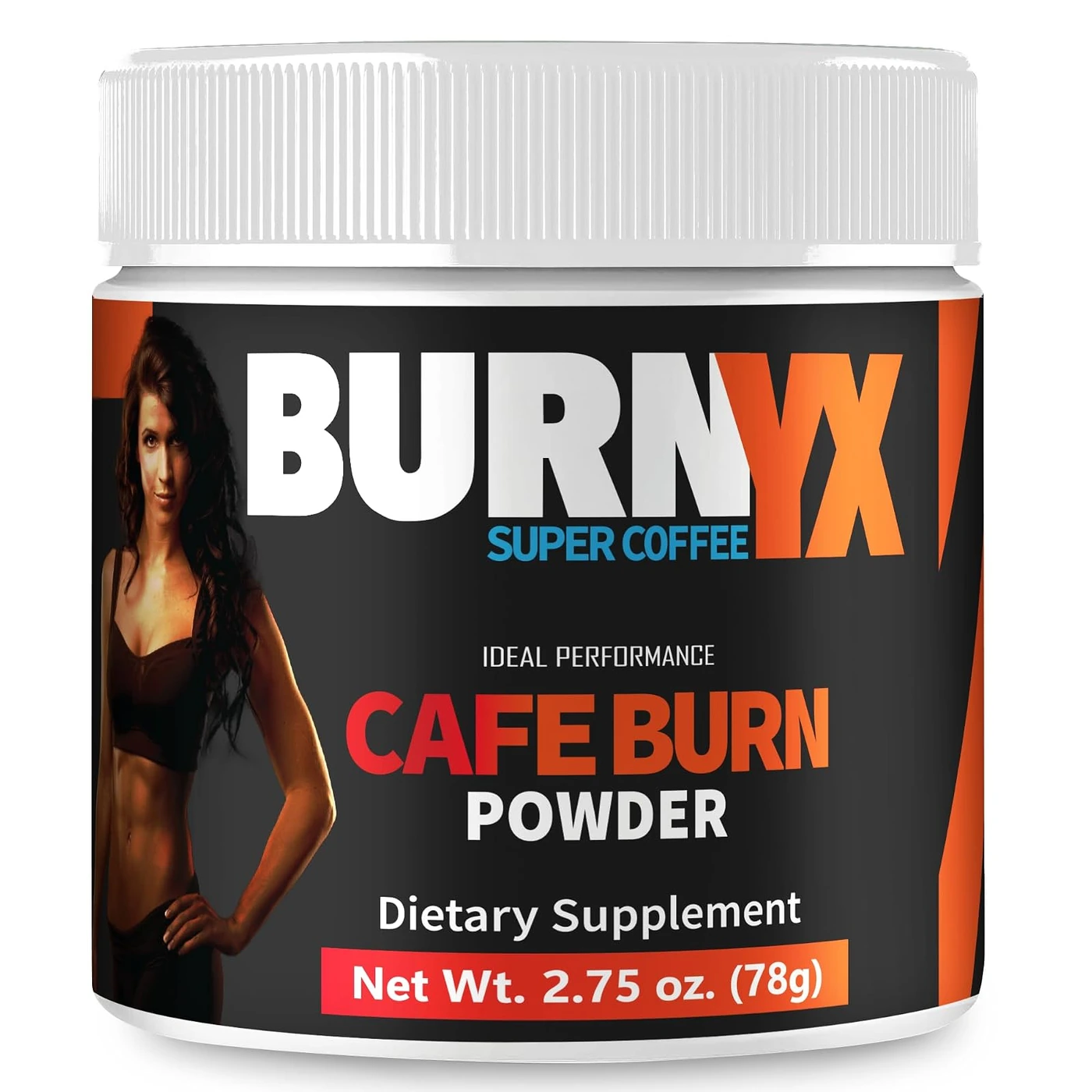
5. Not drinking enough water
It sounds backwards, but being under-hydrated can make you retain more fluid, not less. When water is scarce, the body clings to what it has. Low water intake also slows the movement of food through the gut, which can lead to constipation — a very common cause of a heavy, bloated feeling. Steady sipping through the day usually helps things move and eases the puffiness that a salty diet leaves behind. We look at this in more detail in our guide on whether drinking water helps you lose weight.
6. Irregular meals and large portions
Skipping meals and then eating a very large one overwhelms your digestion and often leaves you bloated afterwards. Big portions simply stretch the stomach and take longer to process. Eating regular, moderate meals gives your gut a steadier, more manageable workload. If irregular eating is leaving you ravenous by evening, our guide on why you might always feel hungry can help you smooth out the day.
7. Stress and the gut-brain link
Your digestive system is closely wired to your nervous system, which is why stress and anxiety so often show up in the stomach. When you are tense, digestion slows and gut sensitivity increases, so the same amount of gas feels far more uncomfortable. Managing stress is a genuine part of managing bloating — not a side note. Our guide on how stress affects weight gain explains the wider connection. A clinical review of irritable bowel syndrome sets out how gut-brain interaction shapes both symptoms and how intensely they are felt (JAMA, 2021).
8. Hormonal fluctuations
For many women, bloating rises and falls with the menstrual cycle, typically worse in the days before a period as hormone levels shift and the body retains more fluid. This is entirely normal and usually passes within a few days. Staying hydrated, easing back on salt and keeping up gentle movement can take the edge off during these times.
How to beat the bloat: daily habits that work
Because everyday bloating is driven by habits, the fixes are habits too. None of these are dramatic, but together they make a real difference.
Slow your meals right down. Chew thoroughly, eat without screens, and give each meal your full attention. This alone reduces swallowed air and eases digestion.
Cut back on salt and fizz. Cook more from scratch, read labels for hidden sodium, and swap fizzy drinks for still water. Expect to feel less puffy within a day or two.
Hydrate steadily. Sip water across the day rather than gulping large amounts occasionally. Herbal teas such as peppermint and ginger are traditionally used to settle the stomach.
Move after meals. A gentle ten-minute walk after eating helps move gas through the gut and supports digestion. It is one of the most underrated anti-bloat habits.
Build fibre up gradually. Fibre is essential, but a sudden increase overwhelms the gut. Add it slowly and drink more water alongside it.
Mind your stress and sleep. A calmer nervous system means calmer digestion. Treat rest and relaxation as part of the plan, not an afterthought.

Bloating and weight: keeping perspective
One of the most valuable things you can do is stop treating a bloated evening as failure. The scale and the mirror both swing with fluid and gas, and reacting to that daily noise with crash diets or punishing workouts tends to make everything worse. Focus instead on the steady habits above, judge your progress over weeks rather than hours, and remember that feeling lighter is often a matter of digestion, not fat loss. If your bloating is persistent, painful, or comes with other symptoms, see a qualified healthcare professional so any underlying cause can be checked. Our guide to why your weight fluctuates day to day explains how much of a daily swing is simply water and food in transit.
Frequently asked questions
Why do I feel bloated all the time?
Constant bloating is usually the result of everyday habits rather than a single problem: eating too fast and swallowing air, meals high in salt or gas-forming foods, fizzy drinks, low water intake, irregular meal timing, and stress that slows digestion. For most people, adjusting these habits reduces the puffiness within a week or two.
Is bloating the same as belly fat?
No. Bloating is temporary swelling from gas or fluid in the digestive tract and tends to come and go through the day, often worse after meals. Belly fat is stored tissue that changes slowly over weeks and months. A bloated stomach usually feels tight and full, while fat feels soft and stays consistent.
What foods reduce bloating?
Water-rich vegetables, cucumber, ginger, peppermint, yoghurt with live cultures and potassium-rich foods like bananas can help you feel less puffy. Cutting back on very salty processed foods, fizzy drinks and large portions of gas-forming foods such as beans and cruciferous vegetables often makes the biggest difference.
Can drinking more water reduce bloating?
Yes, for many people. When you are under-hydrated the body holds on to fluid and digestion slows, both of which can worsen bloating. Steady water intake through the day helps move things along and can reduce the puffiness caused by a high-salt diet.
When should I see a doctor about bloating?
Occasional bloating is normal. Speak to a qualified healthcare professional if bloating is persistent, painful, comes with unexplained weight loss, changes in bowel habits, blood, or does not settle with simple lifestyle changes, so any underlying cause can be checked properly.
Support a lighter, steadier routine
Make an active, mindful routine easier to keep with a simple once-daily habit. Burnyx multi-jar packages include a 60-day money-back guarantee and free shipping on larger bundles.
References
- “Management of Chronic Abdominal Distension and Bloating.” (Clin Gastroenterol Hepatol, 2021)
- “Efficacy of a low FODMAP diet in irritable bowel syndrome: systematic review and network meta-analysis.” (Gut, 2022)
- “Diagnosis and Treatment of Irritable Bowel Syndrome: A Review.” (JAMA, 2021)
- NIH Office of Dietary Supplements — Dietary Supplements for Weight Loss
- National Health Service (UK). “Bloating” and “10 ways to ease bloating.” nhs.uk
- Harvard T.H. Chan School of Public Health, The Nutrition Source. “Salt and Sodium” and “Fiber.” hsph.harvard.edu/nutritionsource
- Mayo Clinic. “Gas and gas pains” and “Water: How much should you drink every day?” mayoclinic.org
- Johns Hopkins Medicine. “Bloating: Causes and Prevention Tips.” hopkinsmedicine.org
- U.S. Food & Drug Administration. “Dietary Supplements.” fda.gov
† These statements have not been evaluated by the Food and Drug Administration. This product is not intended to diagnose, treat, cure or prevent any disease. This article is for general educational purposes only and is not medical advice; consult a qualified professional about your individual needs.