Does Drinking Water Help You Lose Weight? What the Evidence Says
| Does it help? | Yes, indirectly. Water has no calories, curbs appetite a little, and replaces sugary drinks — but it does not burn fat by itself. |
| Biggest benefit | Swapping sodas, juices and sweetened coffees for water removes a large hidden source of liquid calories. |
| How much | Roughly 1.5–2 litres (6–8 glasses) a day for many adults; more in heat or exercise. Aim for pale-yellow urine. |
| Best habit | A glass before each meal, plus water first whenever you think you are hungry. |
“Just drink more water” is one of the most repeated pieces of weight-loss advice — and one of the most misunderstood. So does drinking water help you lose weight, or is it a myth? The honest answer sits in the middle. Water is not a fat-burner and no amount of it will melt away weight on its own. But it genuinely supports a weight-loss routine in several practical, well-documented ways, and it is free, safe and simple. This guide explains exactly how water helps, how much to drink, and the everyday habits that turn hydration into a real advantage.
Does drinking water help you lose weight? The honest picture
Water does not directly cause fat loss. Only an overall energy deficit — using more calories than you take in — does that. What water does is make that deficit easier to reach and maintain. Think of it as a supporting habit that removes obstacles rather than a treatment that does the work for you. Here is how it earns its reputation. Across three large prospective cohorts, increasing plain water intake in place of sugary drinks was associated with less long-term weight gain (Int J Obes, 2013).
1. It replaces liquid calories
This is water's single biggest contribution. Sugary sodas, fruit juices, sweetened coffees, energy drinks and alcohol deliver a lot of calories without filling you up. Because liquid calories do not satisfy hunger the way food does, they are very easy to overconsume. Swapping even one or two sweet drinks a day for water can quietly remove a meaningful chunk of calories over a week — often more than people expect. A systematic review and meta-analysis of cohort studies and randomised trials found sugar-sweetened beverage intake associated with weight gain in both children and adults, which is why the swap matters more than the water itself (Am J Clin Nutr, 2023).
2. It can gently curb appetite before meals
Drinking a glass of water shortly before eating helps fill the stomach, and several studies have found that people who do this tend to eat a little less and, over time, lose modestly more weight than those who do not. It is not a dramatic effect, but it is real, free and easy to build into your routine. In a randomised trial in middle-aged and older adults, drinking 500 ml of water before each meal alongside a reduced-calorie diet produced greater weight loss over twelve weeks than the diet alone (Obesity, 2010).
3. It helps you tell thirst from hunger
The brain's signals for thirst and hunger overlap, so mild dehydration is often mistaken for hunger. Reaching for water first, then waiting a few minutes, is a reliable way to check whether you are actually hungry or just thirsty. This simple pause prevents a surprising number of unnecessary snacks. If you often feel hungry despite eating enough, our guide on why you might always feel hungry looks at the other causes.
A once-daily habit that fits your routine
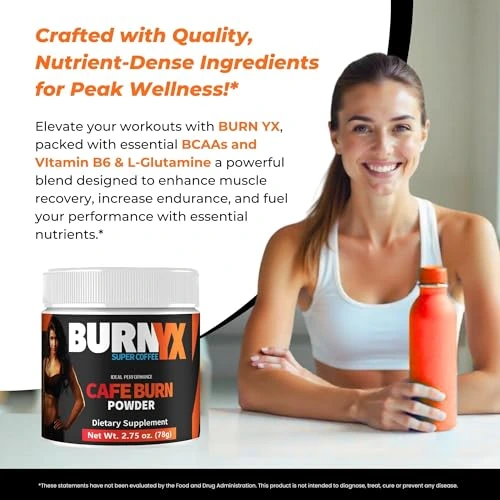
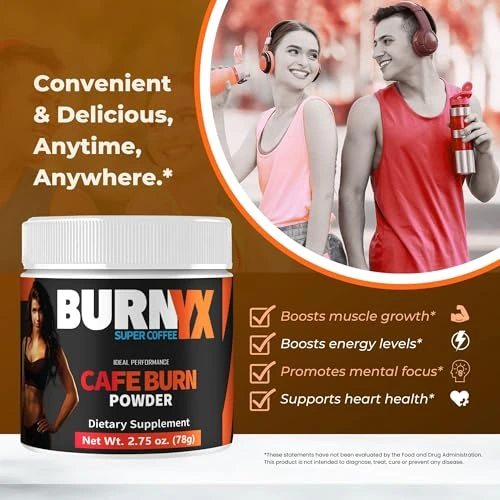
Burnyx is a Cafe Burn super-coffee powder with a 2:1:1 BCAA blend, L-glutamine and Vitamin B6 — mixed with water and taken once a day to support everyday energy and recovery as part of an active, hydrated routine. Protected by a 60-day guarantee.
See Burnyx Packages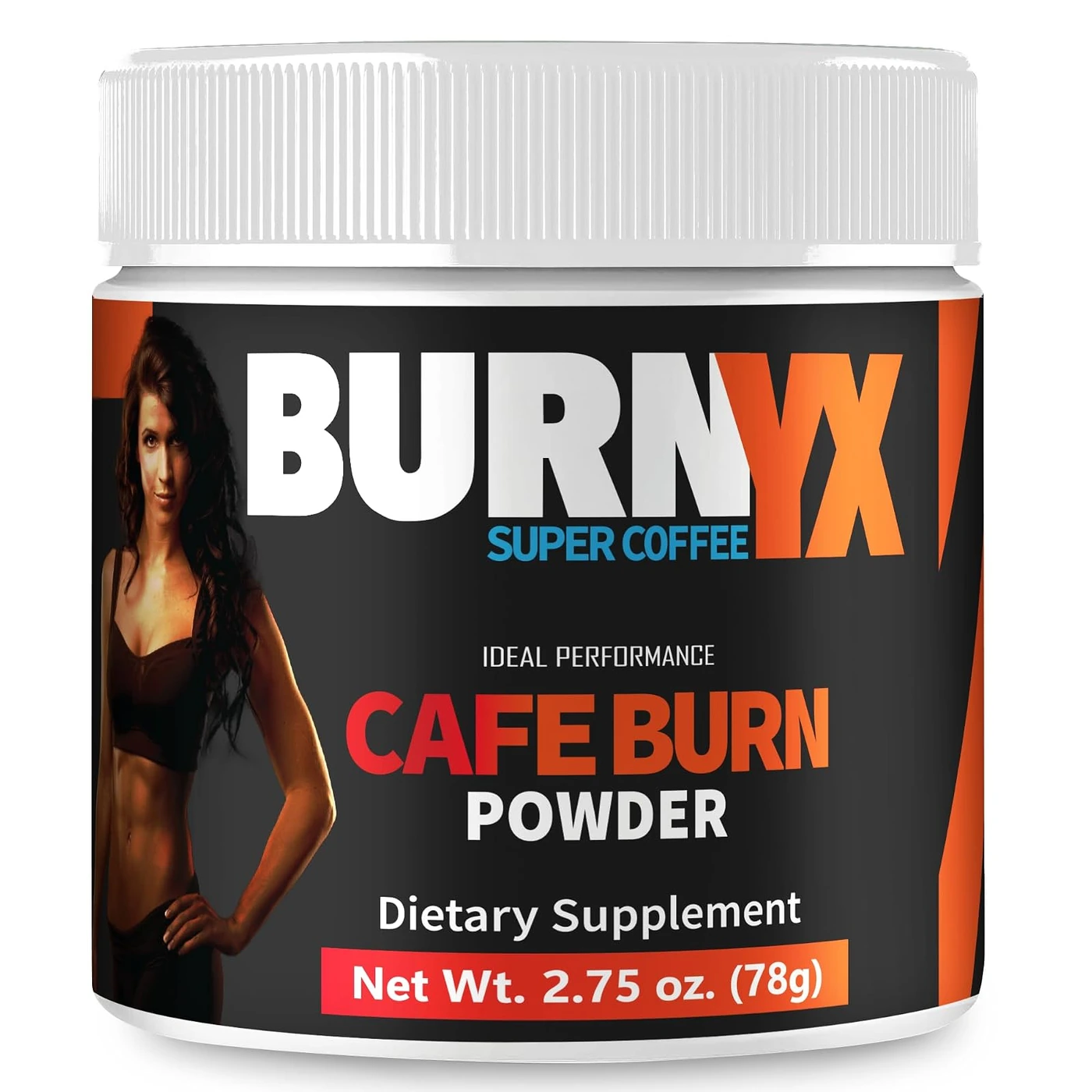
4. It supports energy and normal metabolism
Even mild dehydration can leave you tired, foggy and less inclined to move — which quietly undermines the activity that supports weight loss. Being well hydrated helps you feel energetic enough to stay active and make better food choices. There is also a small, short-lived rise in energy expenditure after drinking water, though this is a minor effect and not a strategy on its own.
5. It reduces water retention and bloating
It sounds counterintuitive, but drinking enough water can actually reduce the fluid your body holds on to, because a well-hydrated body has no reason to cling to water. Good hydration also keeps digestion moving and helps prevent the constipation that leaves you feeling heavy. Our guide on why you might feel bloated all the time covers this in more detail. If the feeling is constant rather than occasional, our guide to why you feel bloated all the time works through the causes.
How much water should you drink?
There is no single perfect number, despite the popularity of the “eight glasses a day” rule. A common general guideline is around 1.5 to 2 litres — roughly six to eight glasses — for many adults, but your needs rise with hot weather, exercise, body size and activity. Remember that food and other drinks such as tea, coffee and milk also count toward your total.
The most practical guide is your own body. Aim to drink enough that you rarely feel thirsty and your urine is a pale straw colour rather than dark yellow. Thirst itself is a useful signal — drink when you feel it, and do not force large amounts beyond comfort, as drinking excessively is unnecessary and, in rare cases, harmful.
How to make hydration a habit
Knowing water helps is easy; actually drinking enough is where people fall down. These small habits make it automatic.
Start the day with a glass. Having water first thing sets the tone and rehydrates you after sleep. It pairs naturally with a good morning routine for weight loss.
Drink a glass before each meal. This builds in the appetite benefit and guarantees three glasses a day without thinking about it.
Keep a bottle in sight. A visible, refillable bottle on your desk or in your bag is a constant, effortless reminder.
Flavour it naturally if plain water bores you. A slice of lemon, cucumber or a few berries makes water more appealing without adding meaningful calories.
Reach for water first when a craving hits. Before snacking, drink and wait. You will often find the urge was thirst.
The bottom line
So, does drinking water help you lose weight? Yes — not because it burns fat, but because it makes a calorie-aware routine easier to sustain. It replaces sugary drinks, gently curbs appetite, helps you distinguish thirst from hunger, and keeps your energy up so you stay active. On its own it is not a weight-loss plan, but combined with sensible eating and regular movement it is one of the simplest and cheapest habits you can adopt. Fill a glass, keep it close, and let a small change do quiet, steady work. And if the habits are all in place already, our guide to why you cannot lose weight even when eating healthy looks at what else might be going on.
Frequently asked questions
Does drinking water help you lose weight?
Water does not burn fat on its own, but it supports weight loss in several practical ways: it has zero calories, so it replaces sugary drinks; a glass before meals can slightly reduce how much you eat; it helps you tell thirst from hunger; and staying well hydrated supports energy and normal metabolism. Its biggest effect is usually as a calorie-free swap for sweet drinks.
How much water should I drink to lose weight?
There is no single magic number. General guidance suggests roughly six to eight glasses (about 1.5 to 2 litres) a day for many adults, with more needed in hot weather or during exercise. A simple guide is to drink enough that your urine is pale yellow and you rarely feel thirsty. Your food and other drinks also contribute to total intake.
Should I drink water before meals to eat less?
Drinking a glass of water shortly before a meal can help you feel fuller and eat a little less, and some studies have linked pre-meal water with modestly greater weight loss. It is a simple, low-risk habit that also improves hydration, so it is well worth trying as part of a calorie-aware routine.
Does drinking cold water burn more calories?
Your body does use a small amount of energy warming cold water to body temperature, but the effect is very small and not a meaningful weight-loss strategy on its own. Drink water at whatever temperature makes you most likely to drink enough of it — consistency matters far more than temperature.
Can water replace other drinks for weight loss?
Yes, and this is where water helps most. Swapping sugary sodas, juices, sweetened coffees and alcohol for water removes a large source of liquid calories that add up quickly without filling you up. This single swap is often one of the highest-impact changes a person can make for weight management.
Build a hydrated, active routine
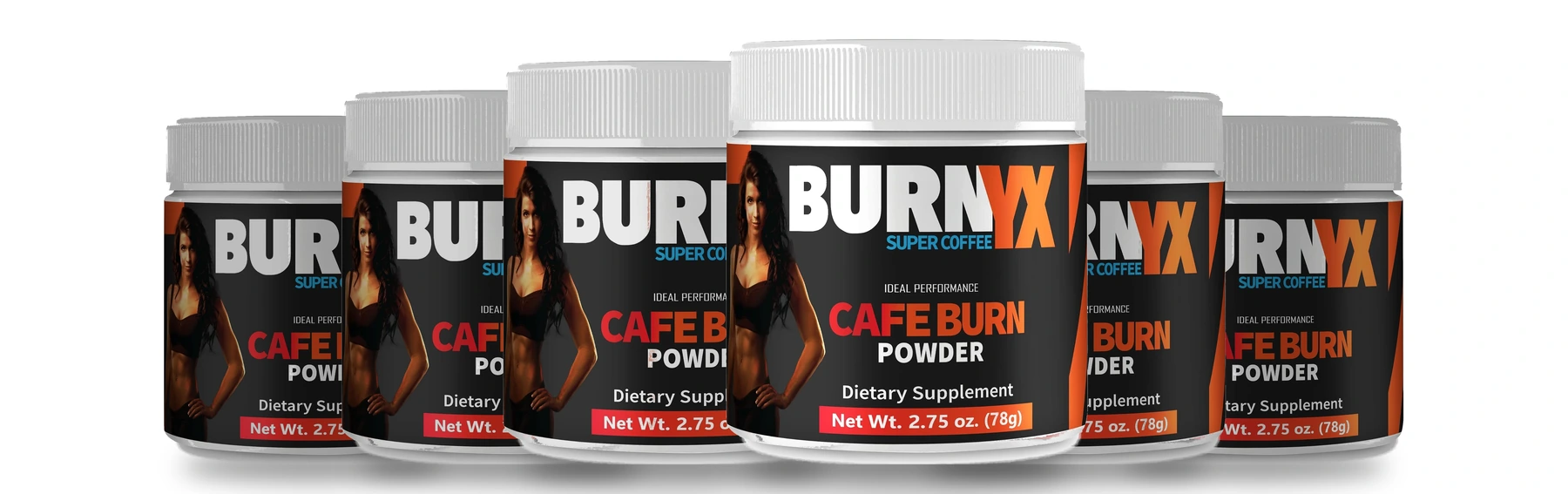
Pair steady hydration with a simple once-daily habit. Burnyx multi-jar packages include a 60-day money-back guarantee and free shipping on larger bundles.
References
- “Water consumption increases weight loss during a hypocaloric diet intervention in middle-aged and older adults.” (Obesity, 2010)
- “Changes in water and beverage intake and long-term weight changes: results from three prospective cohort studies.” (Int J Obes, 2013)
- “Sugar-sweetened beverage consumption and weight gain in children and adults: a systematic review and meta-analysis of prospective cohort studies and randomized controlled trials.” (Am J Clin Nutr, 2023)
- NIH Office of Dietary Supplements — Dietary Supplements for Weight Loss
- Harvard T.H. Chan School of Public Health, The Nutrition Source. “Water” and “Healthy Beverage Guidelines.” hsph.harvard.edu/nutritionsource
- Mayo Clinic. “Water: How much should you drink every day?” mayoclinic.org
- Centers for Disease Control and Prevention. “Water and Healthier Drinks.” cdc.gov
- National Health Service (UK). “Water, drinks and hydration.” nhs.uk
- U.S. Food & Drug Administration. “Dietary Supplements.” fda.gov
† These statements have not been evaluated by the Food and Drug Administration. This product is not intended to diagnose, treat, cure or prevent any disease. This article is for general educational purposes only and is not medical advice; consult a qualified professional about your individual needs.