Why Can't I Lose Weight Even When I Eat Healthy? 8 Hidden Reasons
| The core issue | Healthy food still has calories — and it is easy to eat more energy than you burn even on a wholesome diet. |
| Hidden causes | Portion creep, liquid calories, the “healthy halo”, weekend drift, under-tracking and low daily movement. |
| The fix | Measure portions honestly for a week, anchor meals on protein and vegetables, and move more outside the gym. |
| When to check | A true, consistent deficit with no change for weeks — especially with other symptoms — is worth raising with a professional. |
Few things are more frustrating than doing everything “right” and watching the scale refuse to budge. You have swapped the takeaways for home cooking, filled your plate with vegetables, chosen wholegrains and cut out the obvious junk — so why can't you lose weight even when you eat healthy? The honest answer is that “healthy” and “slimming” are not the same thing. Wholesome food is wonderful for your health, but it still contains calories, and weight loss ultimately comes down to the balance between the energy you take in and the energy you use. This guide walks through eight hidden reasons the scale stalls on a healthy diet, and the practical, no-nonsense habits that get things moving again.
Why eating healthy isn't always enough to lose weight
Before we get to the list, it helps to understand the principle underneath all of it. Fat loss happens when your body draws on stored energy because you are eating slightly less than you burn over time — a modest, sustained calorie deficit. Nutrition quality matters enormously for how you feel, how full you stay and how well you keep muscle, but it does not override the arithmetic. You can build a diet entirely from olive oil, nuts, avocado, granola, smoothies and wholegrain bread and still eat far more energy than your body needs. When people say they are eating healthy but not losing weight, the cause is almost always one of the everyday factors below quietly closing that deficit.
1. Portion sizes have crept up
The most common reason of all is simple portion creep. Healthy foods are often calorie-dense: a tablespoon of olive oil is around 120 calories, a handful of nuts can be 200, and a large serving of brown rice or oats carries more energy than the modest portion pictured on the packet. None of these are “bad” foods — they are excellent — but generous, un-measured servings add up fast. For one week, weigh or measure your usual portions rather than eyeballing them. Most people are genuinely surprised, and a few small trims are often all it takes. The best-known demonstration of this gap found that people convinced they could not lose weight under-reported their food intake by roughly half and over-reported their physical activity (N Engl J Med, 1992).
2. Liquid calories you don't count as food
Smoothies, fruit juices, oat-milk lattes, kombucha and even “wellness” drinks can carry a meal's worth of calories while barely registering as eating. Because liquids do not trigger the same fullness signals as solid food, they add energy without curbing appetite. A green smoothie with banana, mango, nut butter and honey can top 400 calories. Swapping the calorie-carrying drinks for water, unsweetened tea, black coffee or a low-calorie coffee is one of the highest-impact changes there is — and we cover it in detail in our guide to whether drinking water helps you lose weight. Across three large prospective cohorts, replacing sugary drinks with plain water was associated with less long-term weight gain (Int J Obes, 2013).
3. The “healthy halo” effect
Labels like organic, gluten-free, plant-based, natural and raw make foods feel virtuous, and research shows people routinely underestimate the calories in anything they perceive as healthy — then reward themselves with a larger portion or an extra snack. A vegan brownie, a bag of veggie crisps and a “protein” ball are still concentrated energy. Treat the health claim as information about ingredients, not permission to eat more. Food processing matters independently of the label on the packet: in an inpatient randomised trial, an ultra-processed diet led to roughly 500 extra calories a day and weight gain compared with a matched unprocessed diet (Cell Metab, 2019). Our guide to the everyday foods that cause weight gain lists the usual offenders, halo and all.
An easy, low-calorie daily habit
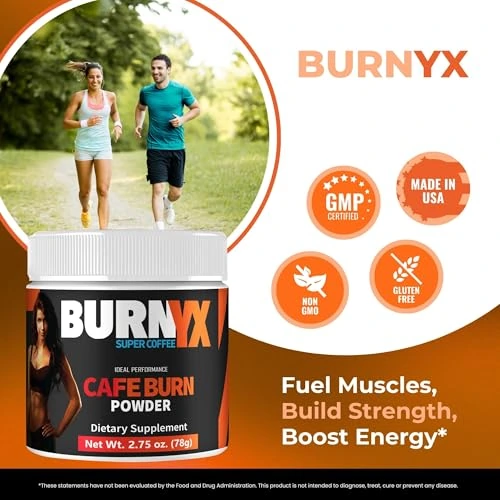
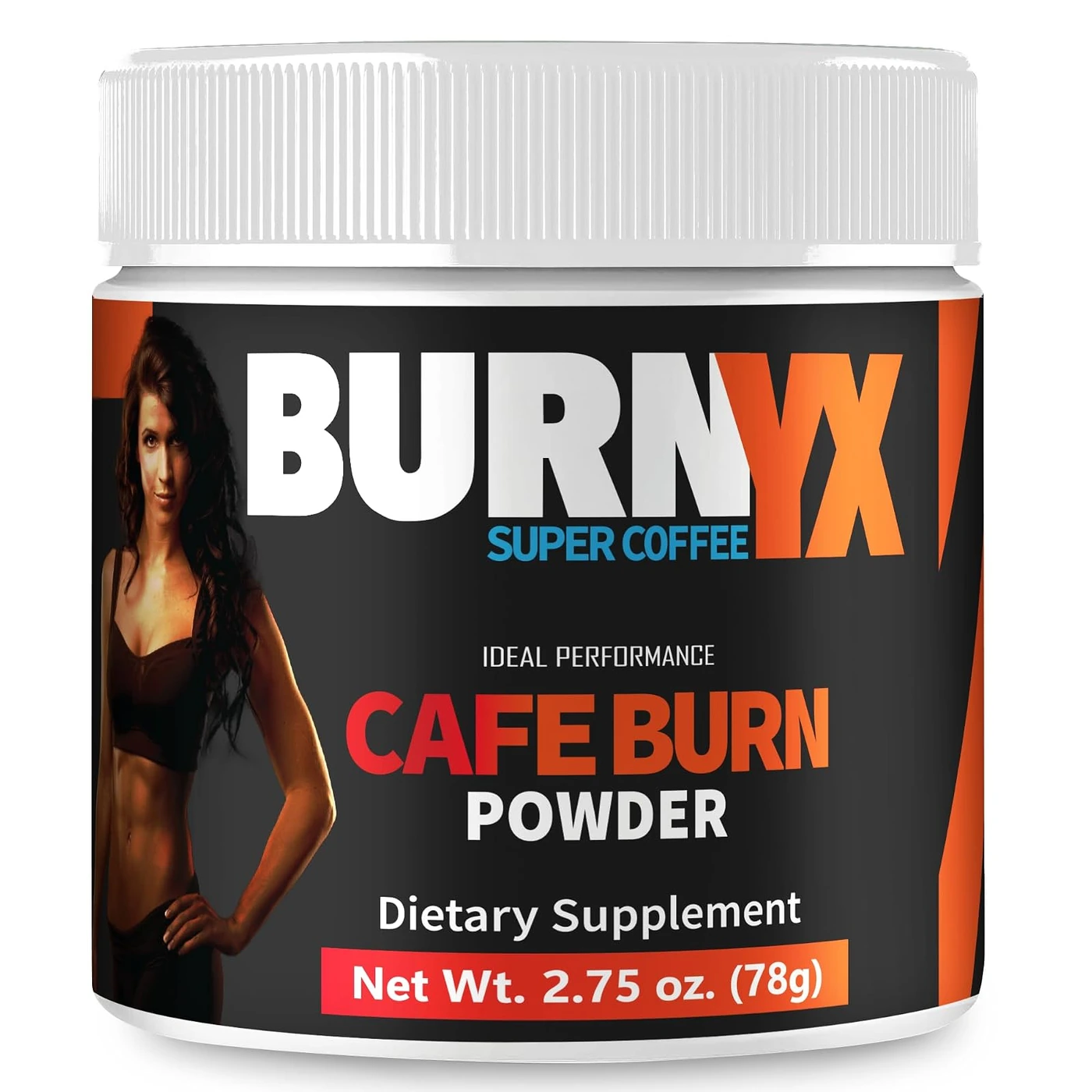
Burnyx is a once-daily Cafe Burn super-coffee powder with a 2:1:1 BCAA blend, L-glutamine and Vitamin B6 — a low-calorie way to make your morning coffee more satisfying and support an active, portion-aware routine. Protected by a 60-day money-back guarantee.
See Burnyx Packages
4. You are under-tracking without realising it
If you keep a food diary, you are already ahead — but even careful trackers tend to miss the small stuff: the oil the vegetables were cooked in, the handful of your child's leftovers, the tastes while cooking, the second coffee, the bites of cheese. Studies on self-reported intake consistently find people under-record by a meaningful margin. You do not have to track forever; a brutally honest week, counting every single thing that passes your lips, is usually enough to reveal where the extra energy is hiding.
5. Weekends undo the weekday work
Five days of disciplined eating can be quietly cancelled out by two relaxed ones. A larger weekend brunch, a few drinks, a shared dessert and a takeaway can add up to a surplus big enough to erase the small weekday deficit — leaving your weekly average flat. This is one of the most common reasons a genuinely healthy eater sees no change. Keeping weekends only slightly looser, rather than a free-for-all, protects the progress you made Monday to Friday.
6. Alcohol is adding invisible energy
Alcohol carries around seven calories per gram — nearly as much as fat — and it comes with no nutritional need and a tendency to lower your guard around food. A couple of glasses of wine or a few beers several nights a week can be the entire reason a sensible diet is not producing results, even when every meal is impeccable.
7. You move less than you think outside the gym
A great deal of daily energy use comes not from workouts but from everyday movement — walking, standing, fidgeting, doing chores. This so-called non-exercise activity can vary by hundreds of calories a day between people, and it often falls quietly when we are busy, tired or working at a desk. A structured gym session is worthwhile, but if the other fifteen waking hours are largely sedentary, the maths gets hard. A daily step target is one of the simplest levers you can pull.
8. Stress, sleep and the hormones behind hunger
Poor sleep and ongoing stress do not directly stop fat loss, but they make the whole project harder: they raise appetite, sharpen cravings for calorie-dense food, and sap the energy you would otherwise spend moving. If your healthy diet is being undermined by 11pm snacking or stress eating, the fix may lie in your evenings and your recovery rather than your plate. Our guides to how stress affects weight gain and why you always feel hungry dig into both.
What to do if you eat healthy but can't lose weight
Rather than eating even “cleaner”, which rarely fixes a portion or movement problem, work through this short, practical checklist:
Measure honestly for one week. Weigh portions and log everything — oils, drinks, tastes and weekends included. Data beats guesswork every time.
Cut the liquid calories first. Make water, tea or a low-calorie coffee your default and reserve calorie-carrying drinks for occasions.
Anchor every plate on protein and vegetables. They are the most filling foods per calorie, which makes a modest deficit feel effortless rather than punishing.
Mind the calorie-dense healthy foods. Keep enjoying nuts, oil, avocado and wholegrains — just in measured amounts.
Move more outside your workouts. Set a daily step goal and take walking breaks. It is the cheapest, most sustainable way to widen the deficit.
Judge progress over weeks, not days. The scale swings for many harmless reasons, so track a four-week trend, not a single morning. If nothing changes after a genuine, consistent effort, it may be time to check in with a professional. When the issue is a true stall after real early progress, our guide to breaking a weight-loss plateau lays out the next steps.
The reassuring truth is that eating healthy but not losing weight almost never means your body is broken. It usually means one or two small, fixable leaks are quietly filling the gap between eating well and eating for fat loss. Find the leak, close it, and the results your good habits deserve tend to follow.
Frequently asked questions
Why am I eating healthy but not losing weight?
Healthy food still contains calories, and weight loss depends on the total you take in versus the amount you burn. Nutrient-dense foods like nuts, olive oil, avocado, granola and smoothies are wholesome but energy-dense, so it is easy to eat more energy than you realise while still eating well. Portion size, liquid calories and untracked extras are the usual culprits.
Can you gain weight from eating too much healthy food?
Yes. There is no food that is calorie-free, so eating large amounts of even the healthiest foods can stall or reverse weight loss. Handfuls of nuts, generous drizzles of oil and large portions of wholegrains all add up. Healthy foods should still be eaten in sensible portions if fat loss is the goal.
How long should it take to see weight loss?
A steady, sustainable rate is roughly half a kilogram to one kilogram, or one to two pounds, per week. Early water-weight changes can be faster or slower, and the scale naturally fluctuates day to day. Judge progress over three to four weeks using an average rather than a single reading.
Does building muscle hide fat loss on the scale?
It can. If you are newer to strength training, you may lose fat and gain a little muscle at the same time, which keeps the scale flat while your body composition improves. Measurements, how clothes fit and progress photos give a fuller picture than weight alone.
When should I see a doctor about not losing weight?
If you are genuinely in a consistent calorie deficit for several weeks with no change, or you have other symptoms such as fatigue, hair changes or feeling cold, it is worth speaking with a healthcare professional to rule out underlying causes. This article is general information, not medical advice.
Make your healthy routine work harder
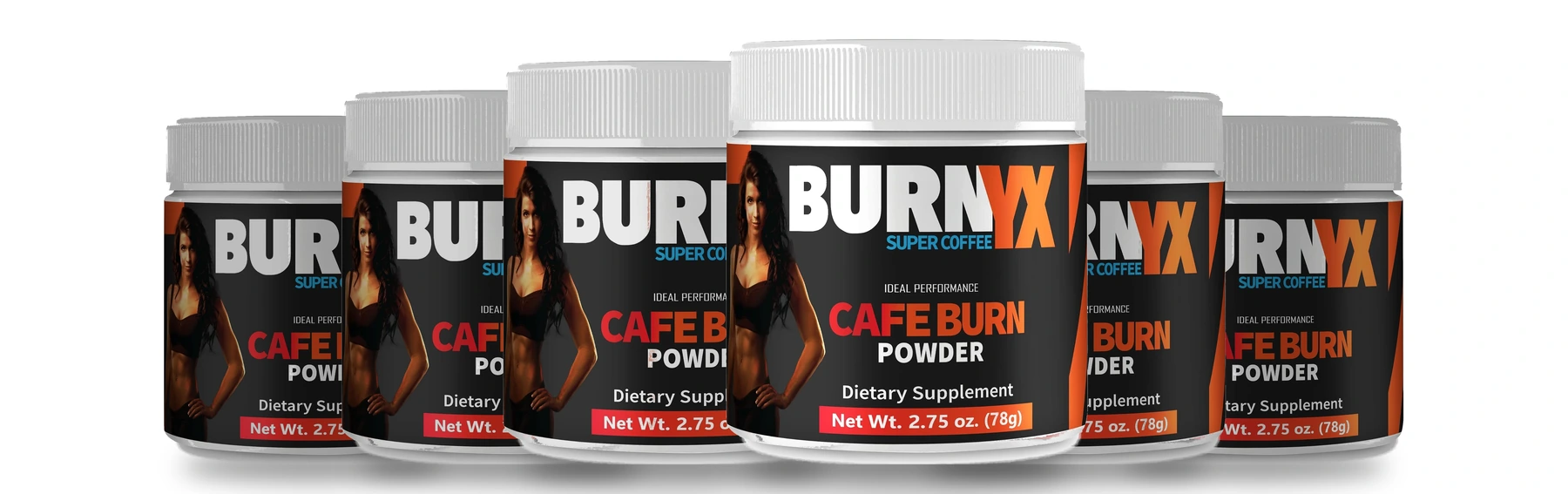
Give your good habits an easy, low-calorie ally. Burnyx multi-jar packages come with a 60-day money-back guarantee and free shipping on larger bundles.
References
- Lichtman SW, et al. “Discrepancy between self-reported and actual caloric intake and exercise in obese subjects.” (N Engl J Med, 1992)
- “Changes in water and beverage intake and long-term weight changes: results from three prospective cohort studies.” (Int J Obes, 2013)
- Hall KD, et al. “Ultra-Processed Diets Cause Excess Calorie Intake and Weight Gain: An Inpatient Randomized Controlled Trial of Ad Libitum Food Intake.” (Cell Metab, 2019)
- NIH Office of Dietary Supplements — Dietary Supplements for Weight Loss
- Harvard T.H. Chan School of Public Health, The Nutrition Source. “Healthy Weight” and “Calories.” hsph.harvard.edu/nutritionsource
- Centers for Disease Control and Prevention. “Losing Weight” and “Physical Activity Basics.” cdc.gov
- National Health Service (UK). “10 weight loss myths” and “Understanding calories.” nhs.uk
- U.S. Food & Drug Administration. “Dietary Supplements.” fda.gov
† These statements have not been evaluated by the Food and Drug Administration. This product is not intended to diagnose, treat, cure or prevent any disease. This article is for general educational purposes only and is not medical advice; consult a qualified professional about your individual needs.