How to Break a Weight Loss Plateau: Why It Happens and What to Do
| Why it happens | Your calorie needs fall as you get lighter, portions creep up, some muscle is lost, and water retention masks progress. |
| First move | Tighten your tracking for a week to catch hidden portion creep before changing anything else. |
| What works | A small intake or activity tweak, more strength training, enough protein, better sleep and stress control. |
| Be patient | Give any change two to four weeks; short stalls are normal and often resolve on their own. |

Few things are more demoralising than doing everything right and watching the scale refuse to move. If the weight was coming off and then simply stopped, you are experiencing one of the most normal and predictable stages of the whole journey. Learning how to break a weight loss plateau starts with understanding why it happens — because a plateau is not a sign that your body is broken or that you have failed. It is a sign that your body has adapted, and adaptation can be answered with a few sensible, deliberate changes. This guide explains the causes and the practical habits that get things moving again.
Why weight loss stalls in the first place
When you lose weight, you become a smaller person who needs fewer calories to run. The deficit that produced steady loss at your starting weight gradually shrinks until, at some point, your intake and your (now lower) needs meet in the middle. Progress flattens. This is called metabolic adaptation, and it happens to everyone eventually. The fix is not panic but a small, informed adjustment. A systematic review examining whether adaptive thermogenesis occurs after weight loss in adults found evidence that energy expenditure can fall by more than body-size change alone predicts, which is the mechanism behind a genuine stall (Br J Nutr, 2022). Some of it is the metabolic adaptation described in our guide to what causes a slow metabolism.
Several other factors often stack on top of this. Understanding each one tells you exactly where to look.
1. Portion creep
This is the most common hidden cause by far. Over weeks, portions quietly grow, an extra splash of oil or handful of nuts sneaks in, and casual bites and tastes go uncounted. None of it feels significant, but together it can erase your deficit entirely. Most “mystery” plateaus are portion creep in disguise. The classic demonstration of this remains a study in which people who believed they were resistant to weight loss under-reported their food intake by roughly half while over-reporting their exercise (N Engl J Med, 1992). Our guide to why you cannot lose weight even when eating healthy covers the other ways calories slip in unnoticed.
2. Muscle loss
If you have been dieting without enough protein or resistance training, some of the weight you lost may have been muscle. Because muscle burns more energy at rest than fat, losing it lowers your calorie needs and makes further loss harder. Our guide on what causes a slow metabolism explains why protecting muscle matters so much. A meta-analysis of randomised controlled trials found that energy-restricted higher-protein diets preserved more lean mass than standard-protein diets at the same calorie level (Am J Clin Nutr, 2012).
3. Water retention masking fat loss
The scale measures everything, not just fat. A salty meal, a hard workout, hormonal shifts or stress can all make you hold extra water, which can hide real fat loss for days or even weeks. This is why the scale can stay stubbornly flat while your body is actually still changing underneath. This is the single most common false alarm, and our guide to why your weight fluctuates day to day explains how to read past it.
Keep your routine steady, one scoop a day
Burnyx is a once-daily Cafe Burn super-coffee powder with a 2:1:1 BCAA blend, L-glutamine and Vitamin B6 — built to support everyday energy and lean-muscle recovery as part of an active, calorie-aware routine. Protected by a 60-day guarantee.
See Burnyx Packages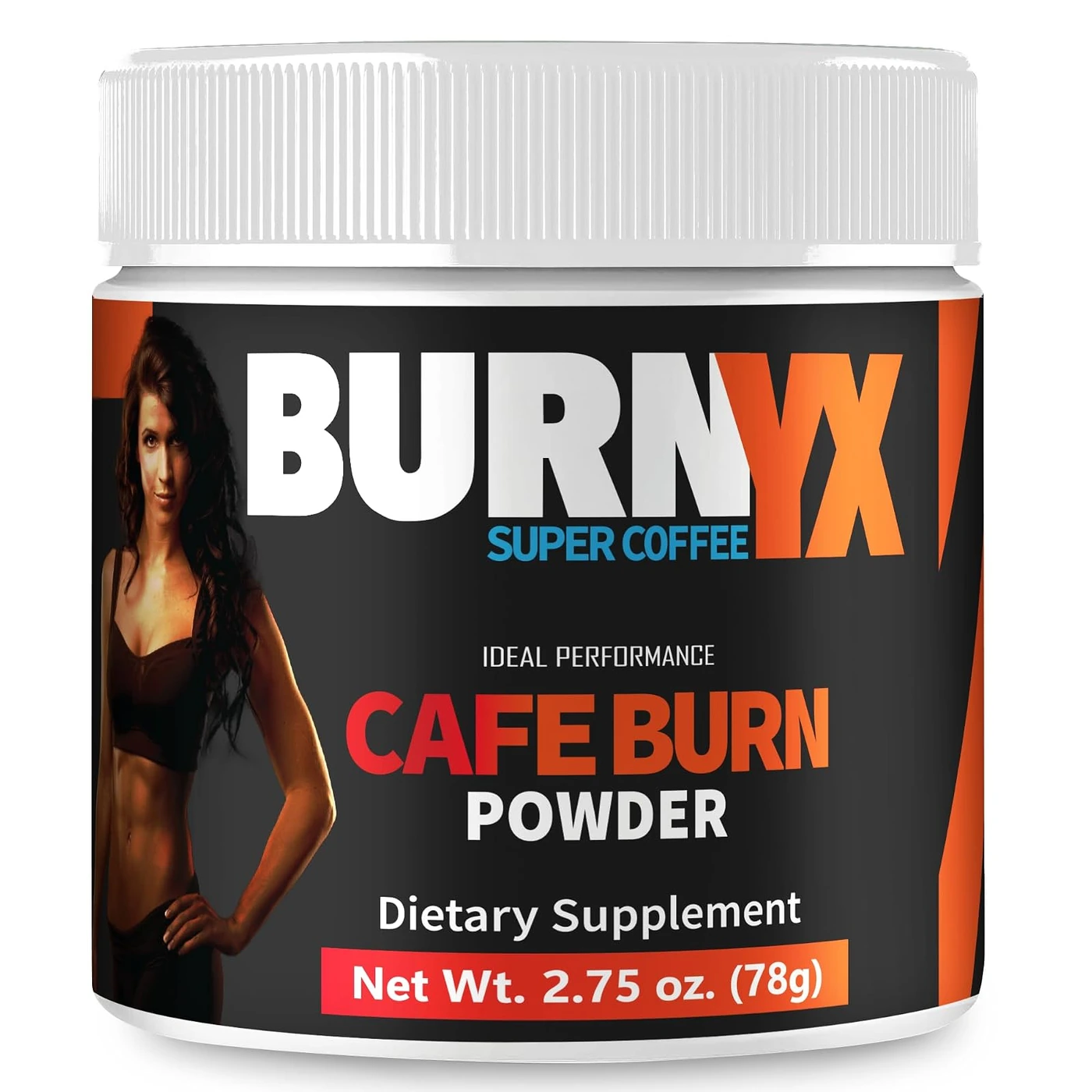
4. Stress and poor sleep
Both raise appetite and cravings, encourage more water retention and quietly derail the habits that were working. A stressful, under-slept few weeks can flatten progress on its own. Our guide on how stress affects weight gain explains the mechanism and the fixes.
5. Slipping consistency
Motivation naturally fades over time, and the tight habits of week one loosen by week ten. Weekend meals get bigger, tracking gets sloppier, workouts get skipped. This is human and fixable — but it is worth honestly checking before assuming your metabolism is to blame.
How to break a weight loss plateau: the practical steps
Work through these roughly in order. The goal is the smallest effective change, not a dramatic overhaul.
1. Tighten your tracking for one week. Before changing your diet, measure and log everything honestly, including oils, drinks and bites. Very often this alone reveals the creep and solves the plateau without cutting anything.
2. Recalculate for your new weight. Your calorie target from ten pounds ago may simply be too high now. A small downward adjustment — not a drastic one — often restarts progress.
3. Add movement rather than only cutting food. Increasing daily steps or adding a session or two of activity widens your deficit without leaving you hungry. Everyday movement is a powerful and underused lever.
4. Prioritise strength and protein. Resistance training and ample protein protect the muscle that keeps your metabolism higher, which is essential for continued fat loss. This is often the real key to a lasting break.
5. Fix sleep and stress. Getting seven to nine hours and building in genuine stress relief can get the scale moving again by easing appetite, cravings and water retention.
6. Consider a short diet break. After a long stretch of dieting, a week or two eating at maintenance can ease the psychological and physiological strain and set you up to resume with more consistency.
7. Be patient and use better measures. Give any change two to four weeks, and track more than the scale — measurements, photos, how clothes fit and your strength in the gym all reveal progress the scale hides.

What not to do
When the scale stalls, the temptation is to overcorrect — slashing calories to an extreme, adding punishing workouts, or giving up entirely. All three tend to backfire. Very low intake costs you muscle and becomes impossible to sustain; excessive exercise raises stress and injury risk; and quitting undoes the progress you have already made. The reliable path is small, deliberate adjustments and patience. A helpful place to reset is a solid morning routine for weight loss that keeps your best habits on autopilot.
The bottom line
A plateau is not the end of progress — it is a normal checkpoint that means your body has adapted. Answer it with information rather than panic: check for portion creep, recalculate for your lighter self, add movement, protect your muscle, and shore up your sleep and stress. Give each change a few weeks and judge progress by more than the scale. Weight loss was never meant to be a straight line, and the people who succeed are simply the ones who adjust and keep going.
Frequently asked questions
Why has my weight loss stalled?
A weight-loss plateau usually happens because your calorie needs fall as you get lighter, so the deficit that once worked no longer does. Portions and snacks often creep up unnoticed, some muscle may have been lost, and day-to-day water retention can mask real fat loss. It is a normal stage of the process, not a sign of failure.
How do I break a weight loss plateau?
Start by tightening up your tracking to catch portion creep, then adjust intake or activity slightly — a small reduction in calories or more daily movement. Add or increase strength training to protect muscle, prioritise protein and fibre, sleep well and manage stress. Give any change two to four weeks before judging it, and avoid extreme cuts.
How long does a weight loss plateau last?
It varies. Short stalls of one to three weeks are extremely common and often resolve on their own, especially if water retention was masking progress. A genuine plateau that lasts a month or more usually means your intake and output have balanced out, and a small, deliberate adjustment is needed to start losing again.
Should I eat less to break a plateau?
A small reduction can help, but cutting too aggressively tends to backfire by costing you muscle and making the plan unsustainable. Often the better first move is to increase activity, tighten portion tracking and protect muscle with strength training and protein, rather than slashing calories to an extreme level.
Can stress and sleep cause a plateau?
Yes. Poor sleep and chronic stress raise appetite, increase cravings and can lead to more water retention, all of which can stall visible progress. Improving sleep and managing stress often gets things moving again, and it makes every other habit easier to keep.
Keep the momentum going
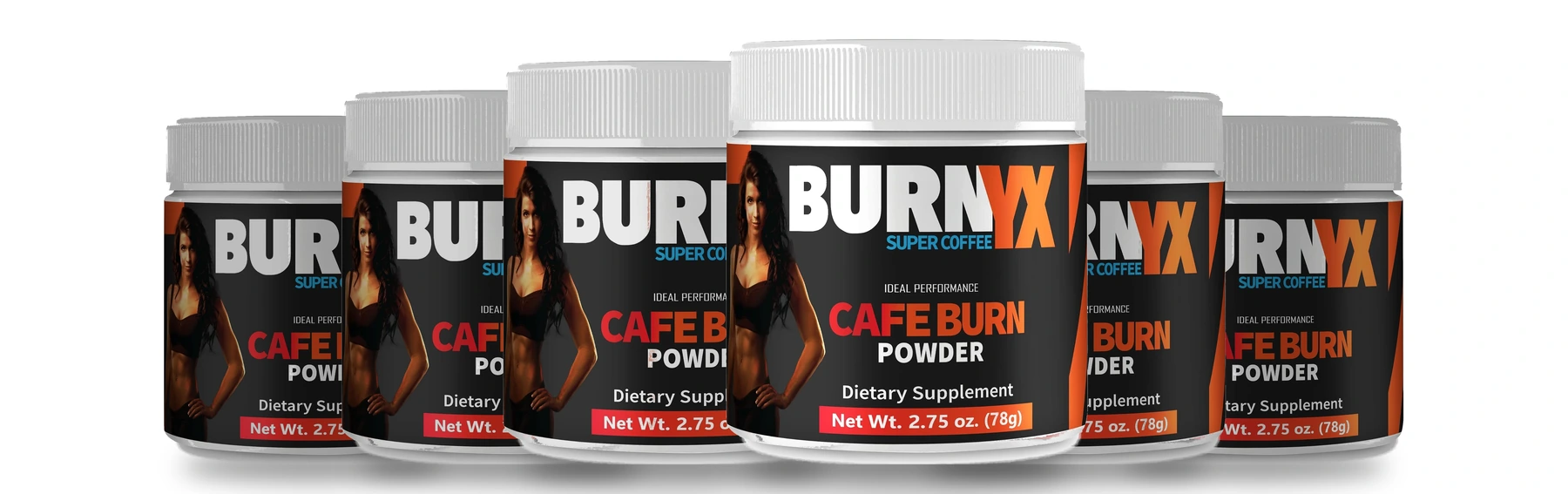
Make a consistent, active routine easier to keep with a simple once-daily habit. Burnyx multi-jar packages include a 60-day money-back guarantee and free shipping on larger bundles.
References
- “Does adaptive thermogenesis occur after weight loss in adults? A systematic review.” (Br J Nutr, 2022)
- Lichtman SW, et al. “Discrepancy between self-reported and actual caloric intake and exercise in obese subjects.” (N Engl J Med, 1992)
- “Effects of energy-restricted high-protein, low-fat compared with standard-protein, low-fat diets: a meta-analysis of randomized controlled trials.” (Am J Clin Nutr, 2012)
- NIH Office of Dietary Supplements — Dietary Supplements for Weight Loss
- Mayo Clinic. “Weight-loss plateau: When and why it happens.” mayoclinic.org
- Harvard T.H. Chan School of Public Health, The Nutrition Source. “Healthy Weight” and “Protein.” hsph.harvard.edu/nutritionsource
- Centers for Disease Control and Prevention. “Steps for Losing Weight” and “Physical Activity for a Healthy Weight.” cdc.gov
- National Health Service (UK). “10 weight loss myths” and “Start losing weight.” nhs.uk
- U.S. Food & Drug Administration. “Dietary Supplements.” fda.gov
† These statements have not been evaluated by the Food and Drug Administration. This product is not intended to diagnose, treat, cure or prevent any disease. This article is for general educational purposes only and is not medical advice; consult a qualified professional about your individual needs.