Can Lack of Sleep Cause Weight Gain? How Poor Sleep Affects Your Weight
| Short answer | Yes — indirectly. Poor sleep raises hunger, sharpens cravings and lowers activity, all of which nudge weight up. |
| How it works | Higher ghrelin, lower leptin, weaker self-control, more waking hours to eat and a slower, more tired body. |
| The sweet spot | Seven to nine hours of consistent, good-quality sleep supports a healthier appetite. |
| The fix | A regular schedule, a wind-down routine, a dark cool room and limits on late caffeine, alcohol and screens. |

You already know that sleep leaves you sharper and less irritable — but can lack of sleep cause weight gain? The evidence says that while a bad night does not directly deposit fat, chronically short or broken sleep is one of the most underrated drivers of creeping weight. Poor sleep works on your appetite, your cravings, your willpower and your activity all at once, quietly stacking the deck against you. The encouraging news is that sleep is a lever almost anyone can improve, and doing so tends to make every other healthy habit easier. This guide explains exactly how poor sleep affects weight, and the simple daily habits that help.
Can lack of sleep cause weight gain? What actually happens
Sleep is not downtime for your metabolism — it is active maintenance for the systems that regulate hunger, energy and mood. When you cut it short, several of those systems drift at the same time. No single effect is dramatic, but together they add up to eating a little more and moving a little less, night after night, which is precisely the recipe for slow weight gain. Here are the main mechanisms researchers point to.
1. Hunger hormones shift the wrong way
Two hormones do much of the work of appetite. Ghrelin tells your brain you are hungry; leptin tells it you are full. Short sleep tends to raise ghrelin and lower leptin, so you wake up hungrier and stay less satisfied by the food you eat. It is a biological push toward eating more, and it is entirely outside conscious control — which is why willpower alone rarely wins against a sleep deficit. In a controlled crossover study, curtailing healthy young men to four hours in bed was associated with lower leptin, higher ghrelin and a measurable rise in hunger and appetite the next day (Ann Intern Med, 2004).
2. Cravings for calorie-dense food get stronger
Tiredness does not make you crave salad. Studies using brain imaging show that after poor sleep the reward response to food strengthens while the region that supports self-control quietens. The predictable result is a stronger pull toward sugary, salty, high-calorie foods that promise a fast energy hit. If your worst food days follow your worst nights, this is why — and it is closely related to the patterns we cover in how to stop late-night snacking. A systematic review of clinical trials on sleep duration found that restricting sleep tended to increase the desire to eat and measured food intake rather than simply making people tired (Clin Nutr ESPEN, 2021).
3. More waking hours, more chances to eat
There is also a simple arithmetic effect. The longer you are awake, the more opportunities and cues there are to eat — particularly late at night, when snacking tends to be least mindful and most calorie-dense. A person who sleeps five hours has a far bigger window for a midnight bowl of cereal than one who is asleep by eleven.
A steadier morning, less afternoon slump
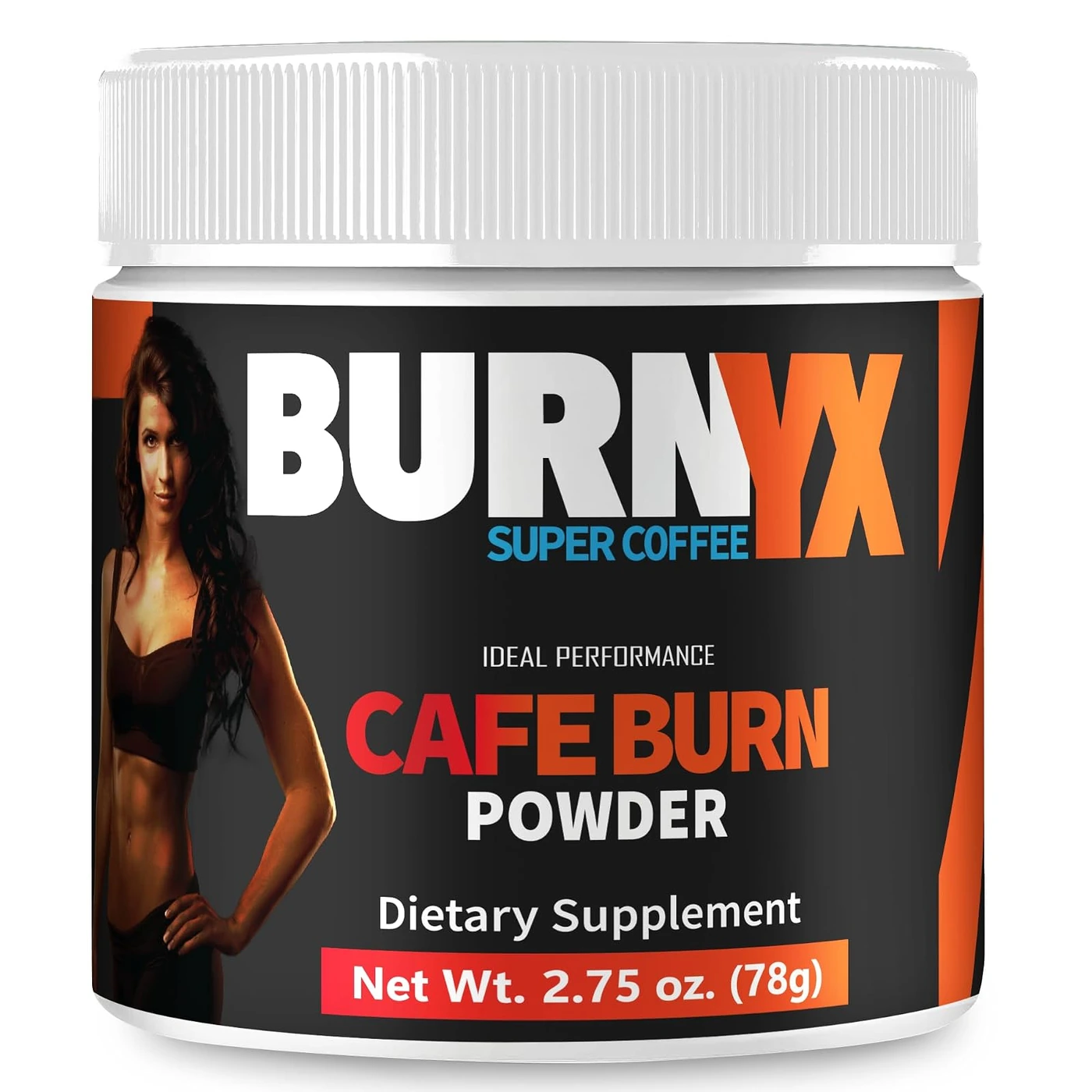
Burnyx is a once-daily Cafe Burn super-coffee powder with a 2:1:1 BCAA blend, L-glutamine and Vitamin B6 — a low-calorie way to make your morning coffee more satisfying and support steady energy through the day. Protected by a 60-day money-back guarantee.
See Burnyx Packages
4. You move less and burn less
Run on too little sleep and everyday movement quietly falls. Workouts feel harder and are more likely to be skipped, and the incidental activity that makes up a large share of daily energy use — walking, standing, fidgeting — drops when you are exhausted. So poor sleep does not just add to what you eat; it subtracts from what you burn.
5. Stress and blood-sugar effects
Broken sleep can raise cortisol, the stress hormone linked with appetite and abdominal fat storage, and can reduce how well the body handles blood sugar the next day. Neither effect causes weight gain on its own, but both make an appetite-aware, weight-conscious routine harder to stick to. The overlap with stress is real, and worth reading alongside our guide to how stress affects weight gain. Stress and short sleep reinforce each other, as our guide to how stress affects weight gain explains.
How much sleep do you need to protect your weight?
Most adults function best on seven to nine hours a night. The research linking sleep to appetite and weight most consistently flags regularly sleeping under seven hours as the risky zone. Quality and consistency matter as much as quantity: fragmented sleep and wildly different bed and wake times disrupt the body clock that helps keep appetite in rhythm. Aiming for a steady schedule most nights is more valuable than an occasional long lie-in. An updated systematic review and meta-analysis of adult populations reported an association between short sleep duration and obesity, though an association across populations is not proof that one causes the other in any individual (Obes Res Clin Pract, 2020).
How to sleep better and support a healthy weight
You do not need a perfect routine — a few reliable habits do most of the work:
Keep a consistent schedule. Going to bed and waking at similar times, even at weekends, anchors your body clock and steadies appetite.
Build a wind-down. Dim the lights and step away from screens for the last 30 to 60 minutes; a warm shower, reading or gentle stretching signals the body that sleep is coming.
Mind late caffeine and alcohol. Caffeine can linger for many hours, so keep coffee to earlier in the day. Alcohol may help you drop off but fragments sleep later in the night.
Make the room dark, cool and quiet. A cooler, darker bedroom supports deeper sleep; blackout curtains or an eye mask help.
Get morning light and daytime movement. Natural light early and activity during the day both strengthen the sleep signal at night — something a simple morning routine for weight loss can build in.
Avoid heavy late meals. Large or rich meals close to bedtime can disrupt sleep and feed the late-night eating cycle.
Treating sleep as a genuine pillar of weight management — alongside food and movement rather than an afterthought — is one of the highest-return changes most people can make. When you are rested, your appetite is calmer, your cravings are quieter and your energy for cooking and moving returns. So while lack of sleep does not put weight on directly, protecting your sleep is one of the most effective ways to keep it off.
Frequently asked questions
Can lack of sleep really cause weight gain?
Sleep does not add weight by itself, but short or broken sleep tilts several things in the wrong direction at once: it raises appetite hormones, increases cravings for high-calorie food, leaves more waking hours to eat, and lowers the energy you have for movement. Over time this combination makes weight gain more likely and fat loss harder.
How many hours of sleep do you need to manage weight?
Most adults do best on seven to nine hours a night. Regularly sleeping less than seven is the range most strongly linked in research with higher appetite and weight. Consistency matters too — going to bed and waking at similar times supports the body clock that helps regulate appetite.
Why do I crave junk food when I'm tired?
Tiredness shifts appetite hormones and dampens the part of the brain that supports self-control, while the reward response to food strengthens. The result is stronger cravings for quick, calorie-dense, sugary or salty foods that promise fast energy. It is a predictable biological pattern, not a personal failing.
Does catching up on sleep at weekends help?
A little recovery sleep can help in the short term, but large swings between weekday deprivation and weekend catch-up disrupt the body clock and are not a substitute for consistent nightly sleep. A steady schedule most nights is far more protective than a big weekend lie-in.
Can improving sleep help with weight loss?
Prioritising good, regular sleep tends to steady appetite, reduce cravings and give you more energy to move and cook — all of which support a weight-loss effort. It works best alongside sensible eating and activity rather than on its own. This article is general information, not medical advice.
Support steady energy, day and night
Pair better sleep with an easy, low-calorie daytime habit. Burnyx multi-jar packages come with a 60-day money-back guarantee and free shipping on larger bundles.

References
- Spiegel K, et al. “Brief communication: Sleep curtailment in healthy young men is associated with decreased leptin levels, elevated ghrelin levels, and increased hunger and appetite.” (Ann Intern Med, 2004)
- “Effect of sleep duration on dietary intake, desire to eat, measures of food intake and metabolic hormones: A systematic review of clinical trials.” (Clin Nutr ESPEN, 2021)
- “Sleep duration and obesity in adulthood: An updated systematic review and meta-analysis.” (Obes Res Clin Pract, 2020)
- NIH Office of Dietary Supplements — Dietary Supplements for Weight Loss
- Centers for Disease Control and Prevention. “Sleep and Health” and “About Sleep.” cdc.gov
- National Institutes of Health, National Heart, Lung, and Blood Institute. “Sleep Deprivation and Deficiency.” nhlbi.nih.gov
- Harvard T.H. Chan School of Public Health, The Nutrition Source. “Sleep” and “Healthy Weight.” hsph.harvard.edu/nutritionsource
- National Health Service (UK). “Why lack of sleep is bad for your health.” nhs.uk
- U.S. Food & Drug Administration. “Dietary Supplements.” fda.gov
† These statements have not been evaluated by the Food and Drug Administration. This product is not intended to diagnose, treat, cure or prevent any disease. This article is for general educational purposes only and is not medical advice; consult a qualified professional about your individual needs.