How to Stop Emotional Eating: 9 Everyday Strategies That Actually Work
| What it is | Eating to soothe feelings — stress, boredom, sadness — rather than to satisfy real hunger. |
| The tell | Emotional hunger is sudden, craves a specific comfort food and is not eased by feeling full. |
| The core skill | Add a pause between the feeling and the food, then choose a non-food response. |
| The foundation | Regular, satisfying meals, better sleep and stress relief make emotional eating far less powerful. |

Most of us have reached for a snack we did not really want after a hard day, an argument or a long, boring afternoon. That is emotional eating, and it is completely human. It becomes a problem only when food turns into the main way we cope with feelings — because it soothes for a few minutes, then usually leaves guilt and the original feeling behind. If you have been searching for how to stop emotional eating, the good news is that this is a learned pattern, and anything learned can be gently unlearned. This guide explains the everyday triggers, how to tell emotional hunger from the real thing, and nine practical strategies that break the cycle without leaving you feeling deprived.
What emotional eating really is
Emotional eating means using food to manage emotions rather than physical hunger. The feelings involved are not always negative — celebration and reward count too — but stress, boredom, sadness, loneliness and anxiety are the most common triggers. Food works because it delivers a quick, reliable hit of comfort: sugary and fatty foods in particular light up the brain's reward pathways. The trouble is that the relief is brief, the feeling returns, and the guilt that often follows becomes its own trigger for more eating. Understanding the cycle — trigger, craving, eating, short relief, guilt, repeat — is the first step to interrupting it. A systematic review of mindfulness meditation as an intervention for binge eating and emotional eating found consistent reductions in those behaviours, even where weight change was inconsistent (Eat Behav, 2014).
1. Learn to spot emotional hunger
Physical and emotional hunger feel different once you know what to look for. Physical hunger builds slowly, is flexible about what will satisfy it, is felt in the stomach and stops when you are full. Emotional hunger tends to hit suddenly, demands one specific comfort food, feels urgent, and keeps going even after you are full. The single most useful habit is to pause when a craving strikes and ask: is this stomach hunger, or a feeling looking for a distraction? Simply naming it takes much of its power away.
2. Add a pause — the ten-minute rule
You do not have to resist a craving, only delay it. When the urge appears, tell yourself you will wait ten minutes before eating. Set a timer and do something else. Cravings rise and fall like waves, and many pass entirely within that window. If after ten minutes you are genuinely hungry, eat. If not, the pause has done its job — and each time you practise it, the automatic link between feeling and food gets a little weaker.
3. Keep a simple trigger diary
For a week or two, jot down what you ate outside of meals, and what you were feeling and doing just before. Patterns emerge quickly: perhaps it is always the 4pm slump, the moment you get home, or scrolling on the sofa at night. Once you can see your triggers clearly, you can plan for them instead of being ambushed. This is the same detective work that helps with late-night snacking, and the two often share the same root.
A comforting, low-calorie ritual
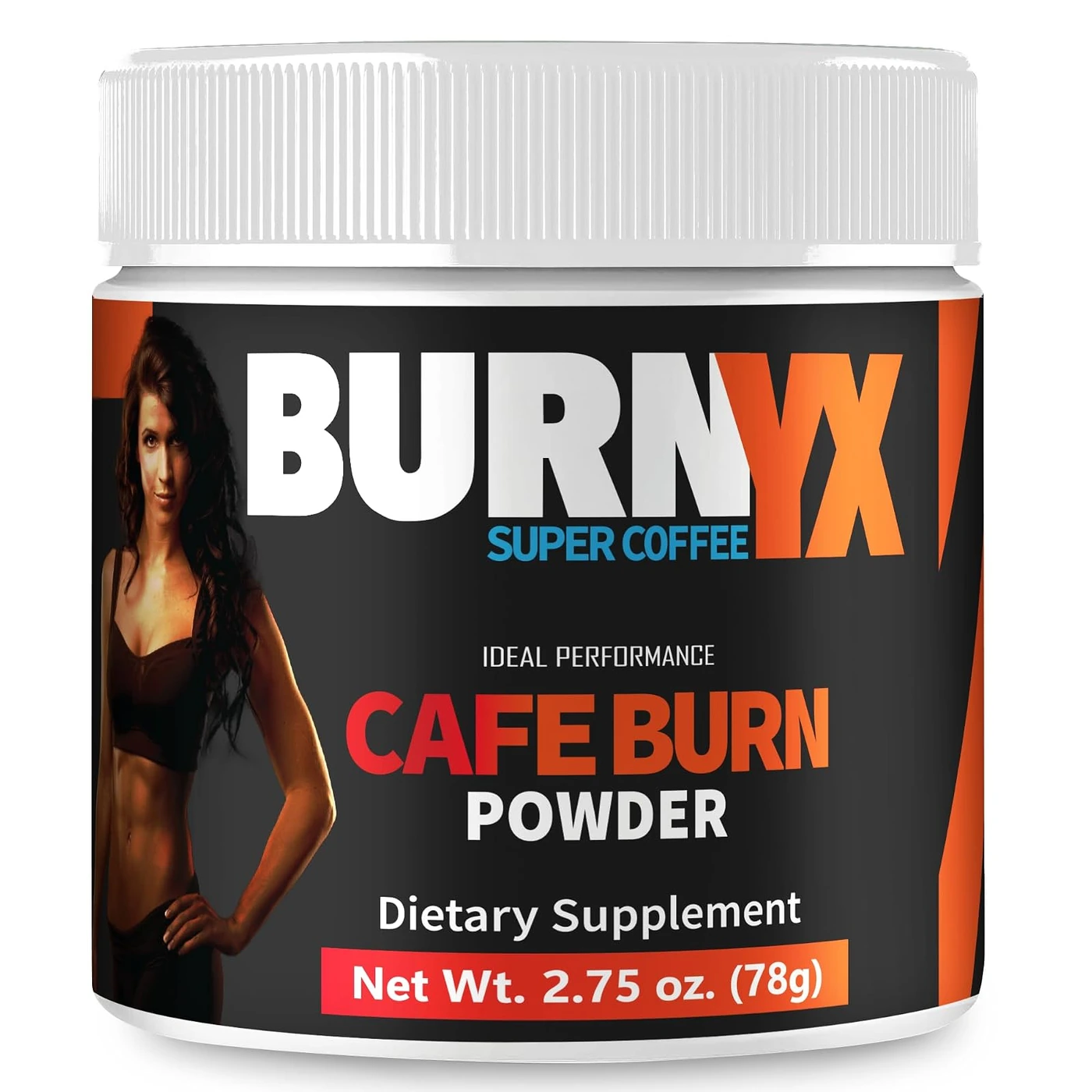
Burnyx is a once-daily Cafe Burn super-coffee powder with a 2:1:1 BCAA blend, L-glutamine and Vitamin B6 — a warm, low-calorie coffee ritual that can stand in for a reach-for-a-snack habit as part of a mindful routine. Protected by a 60-day money-back guarantee.
See Burnyx Packages
4. Build a menu of non-food comforts
Emotional eating persists partly because food is the easiest tool within reach. So make other tools just as handy. Write a short list of things that genuinely soothe or distract you — a brisk walk, a hot shower, phoning a friend, five minutes of breathing, music, a few pages of a book, tidying one drawer. When a craving hits, pick something from the list first. Over time these become the new automatic response.
5. Don't arrive at emotions physically hungry
Skipped meals and crash dieting leave you genuinely hungry, and physical hunger makes every emotional trigger far stronger. Eating regular, balanced meals built around protein and fibre keeps blood sugar and appetite steady, so a stressful moment is less likely to tip into a binge. Ironically, eating enough is one of the best defences against overeating. Our guide to why you always feel hungry covers how to build meals that keep you satisfied.
6. Tackle stress at the source
If stress is your main trigger, the durable fix is better stress management, not more willpower at the fridge. Regular movement, time outdoors, connection with others and simple breathing or relaxation practices all lower the background tension that drives comfort eating. Because cortisol links stress directly to appetite, this is one of the highest-leverage changes you can make — explored further in how stress affects weight gain. The physiological half of that advice is supported by a systematic review of HPA-axis dysregulation and cortisol activity in obesity, which found the stress-weight relationship real but complicated (Psychoneuroendocrinology, 2015). Our guide to how stress affects weight gain covers the physiology behind that in more detail.
7. Make the environment work for you
Willpower is unreliable; your surroundings are not. Keep tempting comfort foods out of easy reach — out of sight in a cupboard, or not in the house at all — and keep satisfying, lower-calorie options visible and ready. You are not banning anything; you are simply adding a little friction to the automatic reach and removing it from the better choice.
8. Practise eating without distraction
Eating in front of a screen makes it easy to consume a lot without registering it, which blurs the line between comfort and nourishment. When you do eat, sit down, slow down and pay attention to the taste and to your fullness. Mindful eating helps you enjoy food more and notice sooner when you have had enough — and it makes emotional eating harder to do on autopilot. A more recent systematic review and meta-analysis of mindfulness-based interventions targeting obesogenic eating behaviours reported improvements in exactly this kind of automatic, distracted eating (Obes Rev, 2025).
9. Drop the guilt and be kind to yourself
Guilt is the fuel that keeps the cycle turning: feel bad, eat to cope, feel worse, eat again. One snack is never a catastrophe, and a slip is not a failure. Treat each episode as information — what was the trigger, and what might work better next time — rather than a verdict on your character. Self-compassion is not soft; in the research on changing eating habits, it consistently outperforms self-criticism.
Putting it together
Stopping emotional eating is not about iron discipline or never enjoying comfort food again. It is about inserting a small pause between feeling and food, meeting the feeling in a way that actually helps, and building a foundation — regular meals, decent sleep, managed stress — that keeps cravings quiet in the first place. Progress is rarely a straight line, but each pause you practise makes the next one easier. Be patient, be kind to yourself, and let the new habits grow.
Frequently asked questions
What is emotional eating?
Emotional eating is turning to food to soothe or distract from feelings — stress, boredom, sadness, loneliness or even celebration — rather than to satisfy physical hunger. It usually involves cravings for specific comfort foods, comes on suddenly and is often followed by guilt, which sets the cycle up to repeat.
How do I know if I'm eating from hunger or emotion?
Physical hunger builds gradually, is open to many foods, sits in the stomach and eases when you are full. Emotional hunger tends to arrive suddenly, demands a specific comfort food, feels urgent and is not satisfied even when you are full. Pausing to ask which one you feel is often enough to reveal the answer.
Why do I eat when I'm stressed or bored?
Stress can raise cortisol and drive cravings for calorie-dense comfort food, while boredom creates a gap that eating conveniently fills. Both are learned patterns: food delivers a quick hit of relief or stimulation, the brain remembers it, and the habit strengthens with repetition until it feels automatic.
How can I stop emotional eating without feeling deprived?
The goal is not to ban comfort food but to add a pause and an alternative. Name the feeling, wait a few minutes, and try a non-food response such as a short walk, a glass of water, a message to a friend or a few minutes of breathing. Eating regular, satisfying meals also removes the physical hunger that makes emotional eating stronger.
When should I seek help for emotional eating?
If emotional eating feels out of control, involves large amounts in one sitting, is followed by strong distress, or is significantly affecting your health or wellbeing, it is worth speaking with a doctor or a qualified professional. Support is available and effective. This article is general information, not medical advice.
Swap the snack for a better ritual
Give your new habits an easy, low-calorie ally. Burnyx multi-jar packages come with a 60-day money-back guarantee and free shipping on larger bundles.

References
- “Mindfulness meditation as an intervention for binge eating, emotional eating, and weight loss: a systematic review.” (Eat Behav, 2014)
- “Effects of mindfulness-based interventions on obesogenic eating behaviors: A systematic review and meta-analysis.” (Obes Rev, 2025)
- “Hypothalamic-pituitary-adrenal axis dysregulation and cortisol activity in obesity: A systematic review.” (Psychoneuroendocrinology, 2015)
- NIH Office of Dietary Supplements — Dietary Supplements for Weight Loss
- Harvard T.H. Chan School of Public Health, The Nutrition Source. “Stress and Health” and “Healthy Eating.” hsph.harvard.edu/nutritionsource
- Centers for Disease Control and Prevention. “Coping with Stress” and “Healthy Eating for a Healthy Weight.” cdc.gov
- National Health Service (UK). “Comfort eating and how to stop it” and “Mindful eating.” nhs.uk
- U.S. Food & Drug Administration. “Dietary Supplements.” fda.gov
† These statements have not been evaluated by the Food and Drug Administration. This product is not intended to diagnose, treat, cure or prevent any disease. This article is for general educational purposes only and is not medical advice; consult a qualified professional about your individual needs.