How to Stop Late-Night Snacking: 10 Habits That Actually Work
| Why it happens | Usually habit, boredom, stress or undereating during the day — not always true hunger. |
| The biggest lever | Eat balanced meals with enough protein and fibre earlier so you are genuinely full at night. |
| Break the routine | Change the evening cue — brush your teeth, swap the snack for tea, close the kitchen. |
| If you are truly hungry | Choose a small, protein-rich option rather than resisting through willpower alone. |

Learning how to stop late-night snacking is one of the most common and most frustrating goals for anyone managing their weight. You do well all day, and then the evening arrives — the sofa, the screen, the quiet house — and suddenly you are in the kitchen reaching for something you did not plan to eat. The reassuring truth is that late-night snacking is rarely a character flaw. It is a predictable response to a handful of everyday causes, and once you understand them, it becomes a habit you can reshape rather than a willpower battle you keep losing.
Why do you snack late at night?
Before the fixes, it helps to know what is actually driving the urge. Most nighttime eating comes down to four overlapping causes.
You did not eat enough during the day. Skipping breakfast, having a tiny lunch or an under-filled dinner can leave you with real, physical hunger by the evening. This is the body doing its job — and no amount of willpower reliably beats genuine hunger.
Habit and cues. If you always snack while watching television, the sofa itself becomes a trigger. The behaviour is wired to a cue, not to hunger, which is why it feels automatic.
Boredom and emotion. Evenings are when the day’s busyness fades and stress, loneliness or boredom surface. Food becomes an easy, comforting distraction.
Poor sleep and late nights. The longer you stay awake, the more opportunity and appetite you have to eat, and tiredness itself nudges you toward sugary, high-calorie foods.
How to stop late-night snacking: 10 habits that work
1. Eat enough earlier in the day
This is the foundation. If your daytime meals are too small, evening hunger is inevitable. Make sure breakfast and lunch contain protein and fibre so you are not running an energy deficit by nightfall. Genuine daytime nourishment removes the biological pressure to snack later. A study extending a chrono-nutrition feasibility programme found that shifting more of the day’s eating earlier was associated with better weight-loss outcomes (Chronobiol Int, 2023).
2. Build a more filling dinner
A dinner rich in protein, fibre and some healthy fat keeps you satisfied for hours. Add an extra serving of vegetables, choose a wholegrain over a refined carb, and anchor the plate with a solid protein source. If you often feel hungry soon after meals, our guide on why you might always feel hungry digs into the causes. A systematic review of dietary protein and appetite sensations in people with overweight and obesity found higher-protein meals consistently increased reported fullness (Eur J Nutr, 2020).
3. Change the evening cue
Habits live in cues and routines. Interrupt the chain: brush your teeth right after dinner, tidy and “close” the kitchen, or move to a room where you do not usually eat. A small change to the trigger can quietly dissolve the automatic reach for food.
Swap the snack for a satisfying ritual
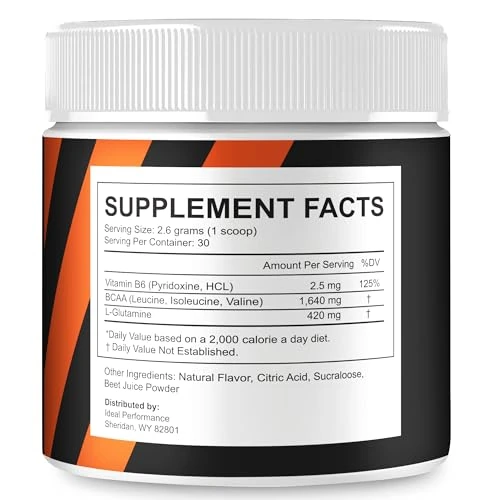
Burnyx is a once-daily Cafe Burn super-coffee powder with a 2:1:1 BCAA blend, L-glutamine and Vitamin B6 — an easy, low-calorie way to keep an enjoyable evening ritual without the extra snack calories, as part of an active weight-management routine. Backed by a 60-day guarantee.
See Burnyx Packages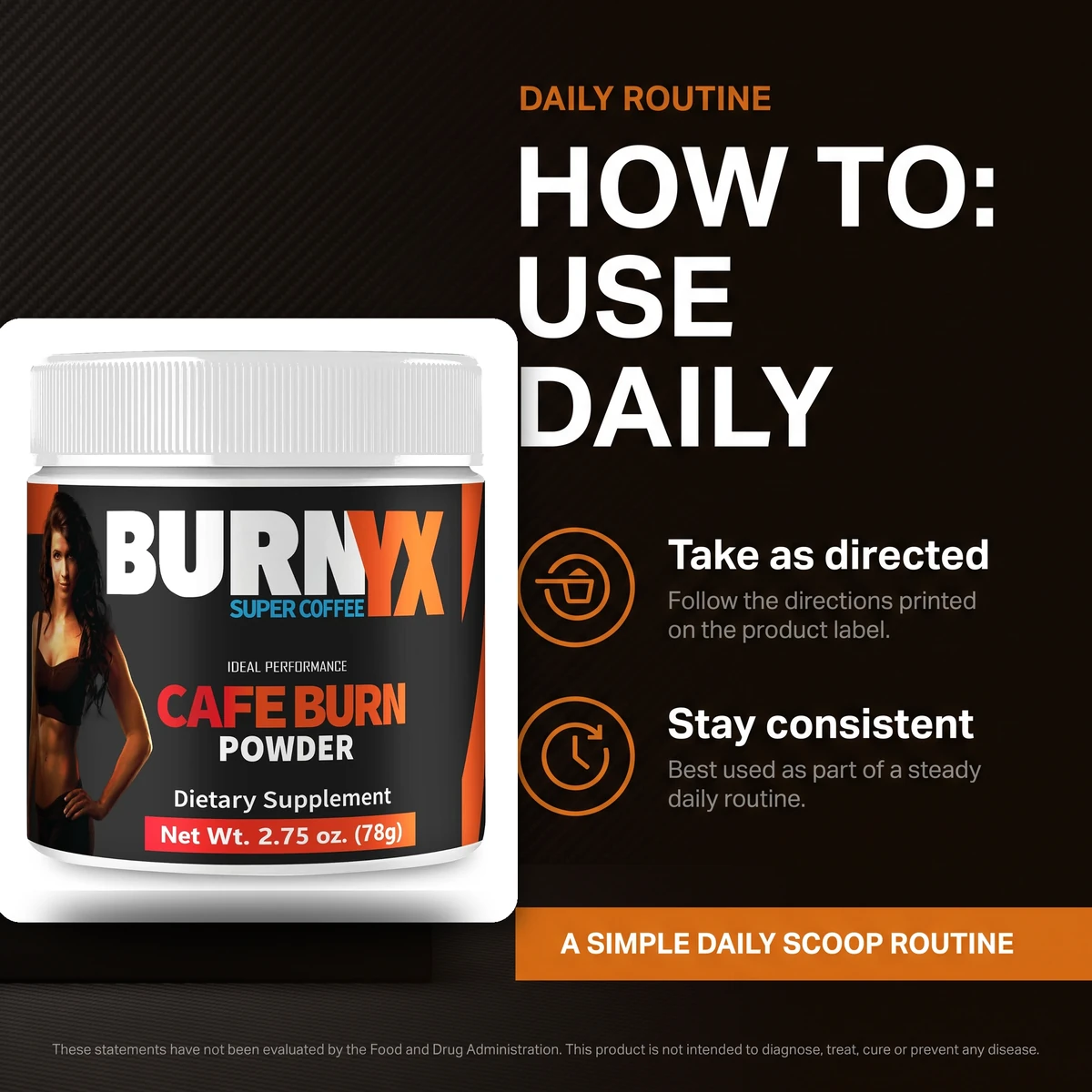
4. Have a low-calorie drink instead
Often the craving is for the ritual of consuming something in the evening, not for calories. A warm herbal tea, a black coffee or a low-calorie drink can satisfy that ritual completely. Having your go-to drink ready makes it the easy default.
5. Do not keep trigger foods in the house
Willpower is far easier when it is not tested. If the crisps and biscuits are not in the cupboard, the two-minute impulse usually passes before you would ever go out to buy them. Stock the kitchen with foods you are happy to eat, not ones you have to resist.
6. Address boredom directly
If evenings are empty, food fills the gap. Line up a genuinely engaging alternative for your hands and mind — a hobby, a book, a call with a friend, a short walk. Giving boredom somewhere else to go removes much of the pull. Where the trigger is a feeling rather than an empty evening, our guide to how to stop emotional eating is the better starting point.
7. Manage stress before it reaches the kitchen
Stress-driven eating is real, and cortisol can amplify cravings. A few minutes of slow breathing, a warm shower or a short walk can defuse the tension that would otherwise send you to the snack cupboard. See our guide on how stress affects weight gain for more.
8. Prioritise sleep
Going to bed earlier does two things: it shortens the window for snacking and it steadies the appetite hormones that late nights disrupt. If you frequently snack past ten o’clock, an earlier bedtime may be the single most effective change you make. A systematic review of clinical trials found that shortened sleep raised the desire to eat and measured food intake the following day, which is precisely the evening problem this list is trying to solve (Clin Nutr ESPEN, 2021). Our guide to whether lack of sleep can cause weight gain sets out how quickly that loop tightens.
9. If you are truly hungry, snack smart
Sometimes the hunger is real, and that is fine. The goal is not zero evening food — it is not eating a day’s worth of extra calories mindlessly. Choose a modest, protein-rich option: Greek yoghurt, a piece of fruit with a few nuts, or vegetable sticks. Portion it onto a plate rather than eating from the packet.
10. Be patient and track the win
Habits fade with repetition. Each evening you replace the snack with a new routine, the urge gets a little weaker. Most people notice a real difference within a couple of weeks. Focus on the routine rather than perfection — one slip does not undo your progress.
The bottom line
Late-night snacking is a habit built on everyday causes: undereating during the day, automatic cues, boredom, stress and short sleep. Tackle those upstream — eat enough earlier, build a filling dinner, change the evening cue and manage stress — and the nightly pull loses most of its power. When you do want the comfort of an evening ritual, a low-calorie drink or a small protein-rich snack lets you keep the habit without the calorie cost. For a broader daily framework, see our morning routine for weight loss, and return to the Burnyx homepage to see how a simple once-daily habit fits in.
Frequently asked questions
Why do I crave snacks at night?
Nighttime cravings are usually driven by habit, boredom, stress or simply not eating enough during the day. Skipping meals or eating too little at dinner can leave you genuinely hungry later, while the evening routine of relaxing in front of a screen often triggers snacking out of habit rather than real hunger.
Is it bad to eat late at night?
Calories do not count differently after a certain hour, so the timing itself is less important than the total. The problem is that late-night snacks are often extra, unplanned calories on top of the day and tend to be high-sugar or high-fat foods eaten mindlessly. Managing the habit matters more than watching the clock.
What can I eat instead of unhealthy night snacks?
If you are truly hungry, choose something protein-rich and filling in a sensible portion, such as Greek yoghurt, a piece of fruit with a few nuts, or vegetable sticks. A warm, calorie-free drink like herbal tea can also satisfy the ritual of a snack without the calories.
Does eating more protein at dinner reduce night cravings?
Often, yes. A dinner with enough protein and fibre keeps you fuller for longer into the evening, which reduces the genuine hunger that can drive late snacking. Balancing your meals earlier in the day tends to be more effective than trying to resist cravings through willpower alone.
How long does it take to break a night-snacking habit?
Habits form and fade with repetition, so most people notice the urge weakening within a couple of weeks of consistently replacing the routine with an alternative. Being patient and focusing on the routine, rather than sheer willpower, is the reliable path.
Keep the ritual, lose the extra calories
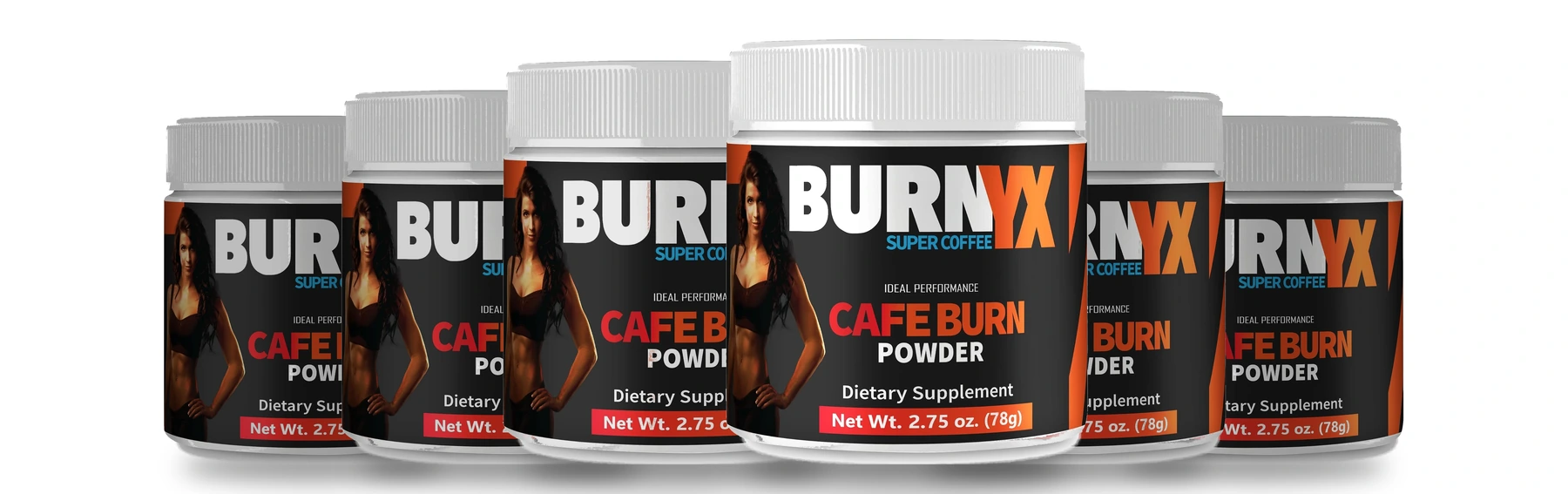
Make your evening wind-down easier with a low-calorie daily habit. Burnyx multi-jar packages include a 60-day money-back guarantee and free shipping on larger bundles.
References
- “Improvement in chrono-nutrition is associated with robust weight loss outcomes: An extension of the feasibility study.” (Chronobiol Int, 2023)
- “Dietary protein and appetite sensations in individuals with overweight and obesity: a systematic review.” (Eur J Nutr, 2020)
- “Effect of sleep duration on dietary intake, desire to eat, measures of food intake and metabolic hormones: A systematic review of clinical trials.” (Clin Nutr ESPEN, 2021)
- NIH Office of Dietary Supplements — Dietary Supplements for Weight Loss
- National Health Service (UK). “How to stop snacking” and “Healthy eating tips.” nhs.uk
- Harvard T.H. Chan School of Public Health, The Nutrition Source. “Snacking” and “Protein.” hsph.harvard.edu/nutritionsource
- Centers for Disease Control and Prevention. “Rethink Your Drink” and “Sleep and Health.” cdc.gov
- American Heart Association. “How to Stop Emotional Eating.” heart.org
- U.S. Food & Drug Administration. “Dietary Supplements.” fda.gov
† These statements have not been evaluated by the Food and Drug Administration. This product is not intended to diagnose, treat, cure or prevent any disease. This article is for general educational purposes only and is not medical advice; consult a qualified professional about your individual needs.